



Age Gap Relationships: How Much Age Difference Is Too Much

Age gap relationships raise questions most of us often keep to ourselves. You might be dating someone older or younger and wondering if the difference will matter later. Or maybe you feel a connection that surprises you, and you’re trying to understand whether it’s worth trusting. This guide looks at age gap relationships without judgment or rigid rules. It focuses on how age differences actually feel in real life and when they matter less than we expect.
Understanding Age Differences in Relationships
An age difference in relationships is simply a noticeable gap between partners’ ages. It can be small, barely worth mentioning, or large enough that others comment on it right away. Society tends to react strongly to these gaps, often projecting assumptions about power, maturity, or intention.
Psychology Today explains that stereotypes and outside expectations can make age gap dating seem more difficult than it is in real life. Couples in such relationships often say that feeling understood and respected matters more than the number of years between them.
In many age gap relationships, differences become more visible over time. That can create tension or it can lead to deeper understanding.
What Is a Normal Age Gap for Dating?
When the question of what is a normal age gap for dating comes up, it’s often about reassurance rather than rules. Social norms offer easy formulas, like the familiar “half your age plus seven.” They’re memorable, but they rarely reflect how real connections actually unfold.
In everyday life, an acceptable age gap feels natural when both people are comfortable with how things are unfolding. Ease, shared expectations, and everyday rhythm often matter more than matching birthdays.
What Is the Average Age Gap Between Couples?
Looking at real partnerships helps ground the conversation. Across Western countries, most long-term relationships form between partners who are relatively close in age. The average age difference between couples tends to stay within a narrow range, even as dating habits and social expectations change.
Psych Central notes that the average age gap in relationships is usually just a few years. This shows up again and again in long-term partnerships, where shared routines and similar life timing often matter more than age itself.
Marriage reflects the same pattern. The average age gap in marriage remains modest, with one partner often slightly older, but not by much. Larger gaps exist, but most relationships still form between people at similar stages of life.
Is a Small Age Difference Bad? (2 to 7 Years)
A small age difference in dating is so common that most people don’t even label it as an age gap. Still, questions come up quietly. Someone notices a few years between them and starts wondering if it means anything long-term.
Is a 2, 3, or 4 Year Age Gap Bad
Concerns such as “is a 2-year age gap bad,” “is a 3-year age gap bad,” or “is a 4-year age gap bad” often surface when someone is trying to imagine the future. In everyday life, gaps this small rarely shape how a relationship feels. Shared references, energy, and expectations align naturally, making the dating age gap almost invisible.
Couples with small age differences in relationships usually face the same challenges as any other couple — communication, timing, trust. Age itself doesn’t stand out as a deciding factor.
Even closer to the upper end of this range, a small age difference relationship usually blends into the background once routines form. What stays noticeable isn’t the number of years, but how naturally two people move through life together.
Is a 5 or 7 Year Age Gap Bad?
A 5-7 year age gap often feels bigger at the beginning of adult life. When one person is just finding their footing and the other already feels settled, the difference can be noticeable.
Questions like “is a 5-year age gap bad” or “is a 7-year age gap bad” usually come up during moments of transition. One partner may be thinking more about stability, while the other still feels drawn to exploration. The tension here rarely comes from age itself, but from feeling slightly out of sync.
Later on, the same age difference relationship tends to soften. A 30-year-old and a 37-year-old often move through life at a similar rhythm. In those cases, the dating age gap stops being a topic at all — it’s simply part of the story of how two people met.
Relationships With Large Age Gaps (20+ Years)
Age gaps that stand out often draw extra attention, sometimes from the outside world, sometimes from within the connection itself. A 20 year age gap usually means growing up in different cultural moments, with distinct reference points around work, relationships, and aging.
Couples in large age gaps in relationships often notice differences in energy levels, social circles, and long-term planning earlier on. These aren’t deal-breakers by default, but they do require more honest conversations.
What matters most in relationships with age gaps this wide is whether both partners feel seen as equals. When curiosity replaces comparison, age becomes one of many differences, but not the defining one.
Navigating a 20 or 25 Year Age Gap
A 20 or 25-year age gap usually brings practical questions into focus sooner. Topics like health, retirement timing, or caregiving don’t feel theoretical, they’re real and close.
What helps in these situations is an ongoing, honest look ahead. Conversations about expectations happen naturally, without pressure to rush decisions or force alignment. With an age difference between partners, emotional maturity matters more than sharing the same life stage.
When both partners feel free to grow without being pulled into roles they didn’t choose, the relationship age difference becomes something they manage together, not something they work around.
Can a 30-Year Age Gap Relationship Work?
30-year age gap relationships sit at the far end of the spectrum, and they’re rare. Psych Central reports that even with big age differences, many couples find lasting connection when they attend to the everyday parts of partnership — communication, mutual respect, and adapting to life’s shifts together.
In relationships with large age gaps, practical and emotional differences can stand out early on, but partners who stay together often describe feeling secure in each other’s company and committed to learning as they go.
These relationships ask for honest conversations about independence, life goals, and future care. When those discussions happen early and openly, the age gap stops being the main story and becomes part of a much larger connection.
Does Age Matter in a Relationship? (Psychology)
Debates about whether age matters in a relationship often point to something deeper. In age gap relationships psychology, this curiosity usually reflects questions about what choosing an older or younger partner might say about us or how secure the connection will feel over time.
Attraction across ages is often emotional rather than practical. Some feel calmer with someone older. Others feel more open and alive with someone younger. In many age gap couples, the pull comes from how the connection feels, not from the number itself.
What matters more is emotional availability. Age often becomes less important once partners build trust and shared understanding. In those cases, the relationship age gap naturally fades into the background.
Do Age Gap Relationships Last?
So, do age gap relationships last? Long-term stability often grows from honest conversations about the future. Acknowledging differences early can create a stronger sense of security over time, especially around health, family timing, and independence.
In this context, pressure often comes from outside. Those that endure usually learn how to quiet that noise. When both people feel chosen, not explained or defended, the relationship has room to deepen and grow.
Finding the Right Partner on Kismia (Regardless of Age)
At some point, questions about age stop being abstract. You’re not debating theory, you’re deciding who to meet, who to invest time in, and who might actually fit into your life.
That’s where clarity matters.
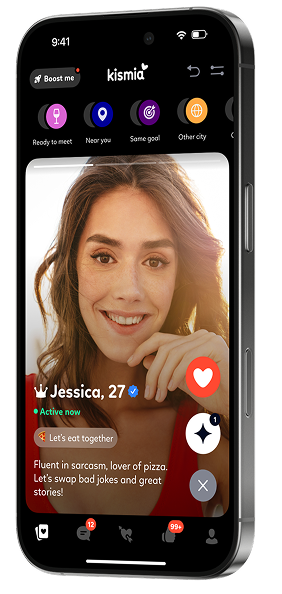
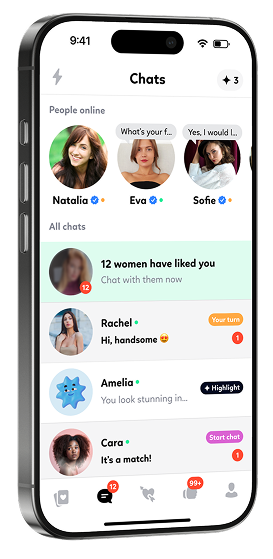
Kismia is built for those who don’t want to guess how someone feels about an age difference in relationships. From the start, you choose the age range that feels right to you — and connect only with people who are genuinely comfortable with that same age gap in relationships.
This changes the tone of dating. There’s no need to test the waters or explain yourself later. The openness is already there.
Profiles on Kismia are verified, which removes a layer of uncertainty early on. Filters go beyond surface details and focus on real intentions and life direction. Whether you’re open to a small dating age gap or more noticeable age gaps in relationships, expectations are clear before the first message.
That clarity makes conversations easier and dates calmer. You’re not defending your choices or wondering if age will become an issue later. You’re simply getting to know someone who already accepts the context of your connection.
If you’re ready to meet people who feel aligned, not just curious, Kismia gives you the space to do that with confidence.
Join Kismia and connect with someone who feels right, at the right stage of life for you.