



Dating Anxiety: Why It Happens and How to Deal With It

You can be looking forward to a date and still feel off the moment it becomes real. The time is set, the place is chosen, and your attention keeps drifting back to it throughout the day. Your body stays slightly tense, your thoughts circle, and every small detail stands out more than usual. That quiet unease is often where dating anxiety begins.
For many people, anxiety and dating become intertwined long before anything goes wrong. A message gets reread. A response takes longer than expected. Plans that were exciting a moment ago start to weigh on you. Dating doesn’t come across as dramatic or chaotic at first glance, but still your thoughts stay busy.
This article looks closely at those experiences. We’ll talk about what dating anxiety is, why it shows up before and after dates, how it changes as connection develops, and how it starts to influence decisions without being noticed.
What Is Dating Anxiety?
For a lot of people, dating brings up more than nerves. It starts with overthinking — a text you stare at for too long, a silence you try to interpret. Your body might tense up before you leave the house. Or you might notice more fatigue after a short conversation than you expected. These moments start to matter more once you notice how often they show up.
The ADAA notes that dating anxiety often comes from a mix of social pressure, emotional vulnerability, and self-doubt, especially when it looks like something is on the line. Medical News Today adds that a lot of this strain can come from the fear of rejection or performance-based worry — the sense that you need to “get it right” for things to continue.
Dating anxiety symptoms tend to appear as restlessness, shallow breathing, irritability, or repetitive thought loops. They vary from person to person, but the emotional rhythm is often similar: tension beforehand, heightened awareness during the date, and mental noise afterward.
Some people call it extreme dating anxiety when this pattern becomes constant. At this stage even simple interactions seem emotionally loaded.
For others, the sensation is more subtle — a quiet alertness that never fully fades. In conversations about anxiety, dating is often described as carrying an extra emotional weight, even when things are going well.
Why Am I So Nervous to Go on a Date?
So you ask yourself: why am I so nervous to go on a date?
For many, the answer sits in memory. You’ve had moments that left you confused or disappointed, which is enough for your body to stay cautious. You don’t need to recall the details. Your nervous system already does.
Even when you're genuinely looking forward to meeting someone, a strange resistance can show up. If that sounds familiar, comfortable dating for introverts offers a pace that works with your nervous system, not against it.
So, why do we get nervous before a date? It’s often tied to the social pressure of making a good impression while also navigating unknowns. Anticipation fills the space with imagined outcomes. That kind of anticipation naturally creates tension.The tension doesn’t always come from fear — sometimes it’s your body preparing for all the unknowns at once.
There’s another layer too. The closer something approaches reality, the more your mind may prepare for loss. It doesn’t mean the date isn’t welcome, only that hope can sometimes activate the same sensitivity as uncertainty.
Some people start to sense unease creeping in, even when everything is going well.That’s often when the question becomes: why do relationships give me anxiety, even when nothing is wrong? There’s no single reason. For some, the growing closeness brings up past attachment patterns. For others, the sense of exposure simply takes time to adjust to.
Being afraid of dating doesn’t always mean resistance. Many people who are open to a deeper bond still move forward with a certain emotional alertness.
Sometimes, the pressure starts earlier, before you even match. You notice how being nervous about dating keeps you from reaching out in the first place. That hesitation, too, is part of this picture.
Anxiety Stages: From “Someone New” to “Post-Date”
When you meet someone and something starts to click, you hope it might be easy. But emotional momentum carries its own kind of intensity. Anxiety in dating often shifts along with the relationship — changing focus as the connection takes shape.
Meeting Someone New
The beginning is often the most unpredictable. Signals are subtle, and you’re still deciding what version of yourself to bring forward. In these early moments, even small changes in tone or phrasing can take on unexpected weight. For people who prefer clarity and calm from the very first interaction, a sober dating platform removes the extra noise that alcohol-fueled settings often add.
That early dating anxiety often overlaps with curiosity. You want to know who they are, but you’re also tracking how you're perceived, second-guessing what felt natural just a moment earlier.
For many, anxiety when dating someone new shows up as this push and pull, a quiet tug between interest and self-protection, especially when past experiences made newness feel risky.
As Interest Grows
As the bond grows, thoughts tend to shift from first impressions to long-term fit — the uncertainty doesn’t vanish, it simply wears a different face. Instead of checking for red flags, you start wondering about alignment. You think about pacing. You notice changes in tone. You try not to overanalyze, but the thoughts keep looping anyway.
This stage of anxious dating is harder to spot from the outside. It’s quiet, but internally, it’s a dance between emotional investment and emotional protection.
Post-Date Anxiety: Overthinking After the Meeting
After the date ends, the reflection begins. You replay conversations. You think about the way they looked at you, or didn’t. You recheck their message, even though you know what it says.
Post date anxiety often lives in this waiting space. You already showed up, you already said yes, but now things are open-ended again, and your mind tries to close the gap.
You might catch yourself overthinking during those quiet gaps — replaying the conversation, wondering if you said too much, or missed something important. When messages pause or the evening ends without clear signals, your attention drifts into imagined scenarios.
This is often where anxiety after a first date takes hold: not because of what actually happened, but because silence leaves room for imagined explanations. Your mind is holding onto the thread, waiting to see if the other person does too.
How to Overcome Dating Anxiety: Practical Tips
When dating gives me anxiety, it rarely helps to be told “just be yourself.” What makes a difference is having small, steady ways to bring yourself back into the moment.
Here are a few grounded steps many people use when learning how to deal with dating anxiety:
- Start with your breath.
When anxiety rises, your breathing often changes before your thoughts do. Slowing your exhale helps your body shift out of high alert. - Notice when you're adding extra meaning.
A short reply, a change in plans — the mind fills in the blanks quickly. Before assuming, pause and ask: what do I actually know? - Change how you approach the moment.
Instead of trying to impress, aim to connect. You’re not performing, you’re meeting someone with your real thoughts, pace, and energy. - Let the connection develop slowly.
You don't need to decide right away. Taking things at a comfortable rhythm is often how people figure out how to get over dating anxiety without shutting down or forcing closeness. - Talk to yourself the way you'd talk to a person you care about.
Harsh self-commentary amplifies inner tension. If dating makes me anxious, I try asking: “What would I say if a friend felt this way?”
If you’re wondering how to get over fear of dating, these simple practices don’t erase nerves, but they can keep anxiety from taking over the experience.
Dating With Anxiety: Navigating Relationships
Dating with anxiety gets more intense once the emotional stakes increase. Even when things are going well, thoughts may spiral over small changes — a delayed message, a shift in tone, a missed moment.
The ADAA explains that in relationships, anxiety normally reflects emotional sensitivity and anticipation. Anxiety about dating can make it harder to trust what’s unfolding. But when you start recognizing your own patterns, it becomes easier to slow down. Instead of reacting right away, you can step back, name what’s happening internally, and choose what you want to share.
Many find it helpful to talk to their partner about these shifts early on — not to ask for constant reassurance, but to create mutual understanding. You don’t have to explain everything. Simply saying “Sometimes I overthink when things are new” opens the door to more supportive bonds.
How to Be a Better Girlfriend When You Have Anxiety
Searching how to be a better girlfriend when you have anxiety often comes from a quiet fear: what if my anxious moments are too much?
But anxiety doesn’t make you difficult, it makes awareness sharper. When handled thoughtfully, that awareness can build deeper connections.
Here are a few ways to keep that dynamic strong:
- Say what happens inside you before it turns into silence or distance.
Let your partner know what to expect when you’re overwhelmed. That reduces confusion and builds trust. - Be direct about what you need.
Instead of vague questions, try: “I’ve been feeling off today, can we talk later to reconnect?” - Create shared rhythms that feel grounding.
A short message in the morning. A check-in before bed. Familiar gestures make room for closeness without pressure.
People often ask what it’s like dating a woman with anxiety. The real answer is: it depends on how open both people are to learning each other’s emotional patterns. When you lead with self-awareness and honesty, that path becomes much easier to walk together.
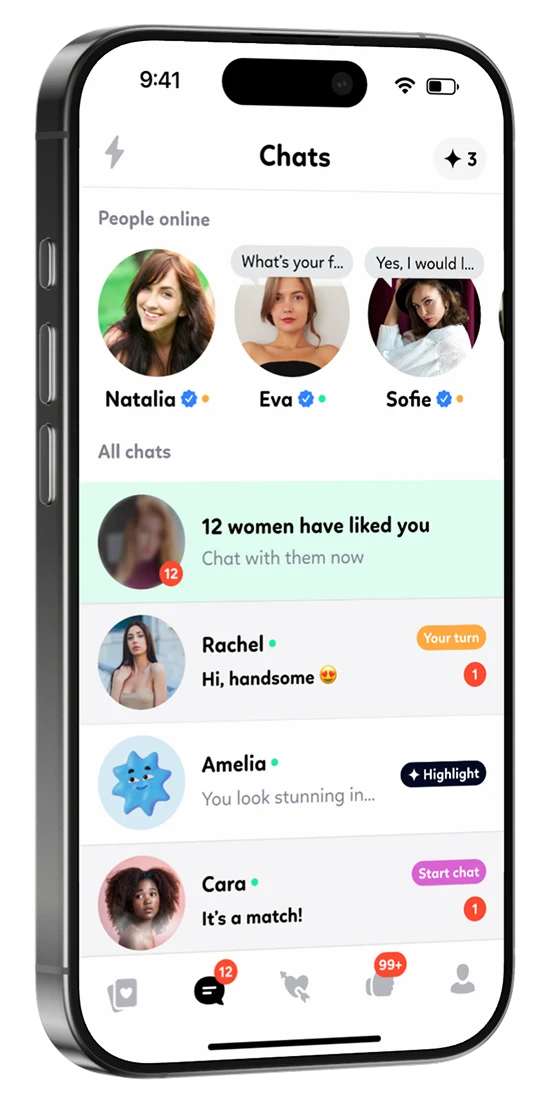
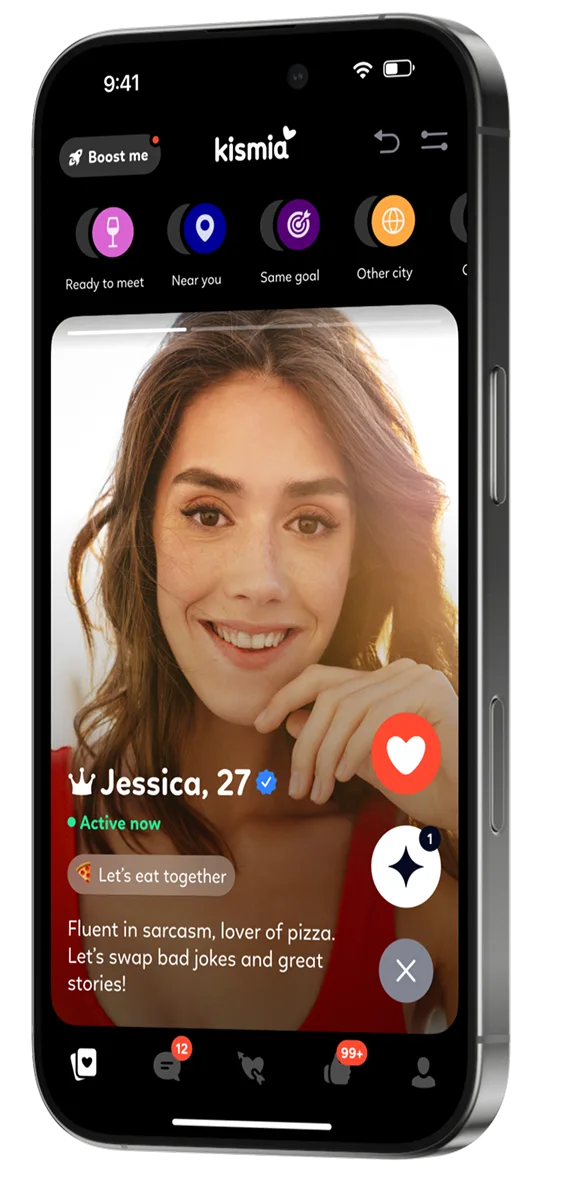
Finding a Supportive Partner on Kismia
When dating anxiety makes even small steps seem heavier than they are, the environment you choose can either soften that weight or add to it.
Some dating platforms move fast. They expect charm, confidence, instant chemistry. But for a lot of people, that pace can be overwhelming. You end up hesitating before replying. You overthink your photos. You close the app even when you still crave genuine interaction.
Kismia offers a different kind of space.
There’s no pressure to impress right away. You can start with a slow conversation, look for shared values, and connect with people who are patient, curious, and emotionally aware.
You can set filters that go beyond looks. You can take your time before meeting. And if you’ve ever thought, “dating makes me anxious,” this is one place where that thought doesn’t isolate you, it’s understood.
You don’t have to change who you are to date. But you can choose where you feel more like yourself. Take your time. Be real. And meet someone who meets you halfway — on Kismia.