



Feeling Lonely in a Relationship: Why It Happens and What to Do

Sometimes everything looks fine on the surface. You’re together. You make time for each other. If you were asked to explain what’s wrong, you might struggle to name it. Logically, the relationship works. Emotionally, something feels thin. If you pause long enough to notice it, the question becomes uncomfortable: why do I feel lonely in a relationship that’s supposed to be close?
The confusion of feeling lonely even in a relationship often hits deeper than being single. You might wonder why closeness feels off now, or why you miss someone who’s right there. This article looks at what that loneliness really means, how to recognize it early, and why it can show up even in relationships that look “fine” from the outside.
What Does Feeling Lonely in a Relationship Mean?
For many people, feeling lonely while in a relationship shows up as a gap between presence and connection. You may be spending time together, sharing space, even staying involved in each other’s lives, yet your inner experience doesn’t quite reach the other person.
It’s unsettling to find yourself feeling lonely when in a relationship, which is why the experience is often hard to name at first. It looks like a hidden disconnection: your inner world doesn’t quite land with your partner anymore. Conversations stay polite or practical. Emotional bids go unnoticed. According to the Gottman Institute, loneliness often grows when partners stop consistently “turning toward” each other’s small attempts at connection, even in otherwise stable relationships.
This is why someone can be lonely, feeling alone in a relationship that looks good on paper. Time together isn’t the same as emotional presence. Loneliness shows up when there’s no space for sharing worries, excitement, or meaning and no expectation that those things will be received.
Signs You May Be Feeling Alone in a Relationship
Loneliness doesn’t always come with conflict. Often, it settles in quietly.
If you’re in a relationship and feeling lonely, you might notice:
- Conversations stay surface-level or purely logistical
- Affection feels rare, rushed, or automatic
- Curiosity about each other has faded
- Evenings disappear into phones, TV, or parallel routines
- You start craving attention, validation, or emotional ease elsewhere
These patterns are very common, even without arguments or dramatic distance. Talkspace notes that emotional loneliness often shows up as reduced intimacy and a sense of not being emotionally supported, rather than outright conflict.
Eventually, this can create a “roommate” feeling — coexisting without really meeting each other emotionally.
Why Do I Feel Lonely in My Relationship?
Feeling lonely in a relationship often happens when emotional connection, responsiveness, or intimacy starts to weaken, even if the relationship still looks stable from the outside. Stress, unresolved conflict, different emotional needs, and reduced quality time can all contribute.
Common causes include busy schedules, chronic stress, mismatched emotional needs, unresolved resentment, or emotional shutdown after conflict. It can also happen when anxiety or depression makes connection harder to access, even when care is present.
Loneliness often grows when emotional needs go unspoken or unnoticed, and when partners miss each other's bids for attention during everyday moments. For those who have lost a partner to grief, a widow dating platform offers a space where that emotional depth is already understood.
Over time, partners may stop reaching out, not because they don’t care, but because it feels easier not to risk disappointment. That’s how someone can end up in a relationship, but feeling lonely, without either person intending harm.
Feeling Lonely vs. Needing Space in a Relationship
Not all distance is a problem. Healthy relationships include autonomy, privacy, and time apart.
The difference lies in how that space feels. When independence is healthy, connection remains available. There's still warmth, curiosity, and responsiveness. For those rebuilding after loss, dating for widowers creates exactly that kind of space, where warmth and emotional availability come first.
Ask yourself a few quiet questions if you’re feeling lonely in a relationship:
- Do I feel like I’m carrying things alone emotionally?
- When something matters to me, do I know where it belongs?
- Does distance feel chosen or imposed?
Healthy space still includes regular emotional “check-ins” and moments of turning toward each other. When those disappear, distance turns into disconnection.
Feeling Lonely in a Long Distance Relationship
Distance adds its own layer. If you’re feeling lonely in a long distance relationship, the absence of physical closeness can amplify emotional gaps.
Time zones, limited shared routines, and missing everyday “micro-moments” make reassurance harder to come by. Texting can flatten tone. Video calls can become task-oriented. It’s easy to slide into feeling lonely and depressed in a relationship, even with frequent communication.
Verywell Mind notes that long-distance couples often experience higher stress and uncertainty, making intentional connection and predictable rituals especially important.
In long-distance relationships, loneliness often surfaces around the moments where connection needs more care — clearer rhythms, more emotional follow-through, and a sense that closeness is being actively held, not just assumed.
How to Tell Your Partner You Feel Lonely in the Relationship
When you’re feeling lonely in a relationship, the hardest part is often finding language that doesn’t escalate the moment. Loneliness is vulnerable, and when it isn’t named carefully, it can come out sideways as frustration, withdrawal, or criticism.
The soft start when talking about disconnection is extra important. Conversations tend to stay open when they center on inner experience rather than perceived failures.
If you’re thinking about how to communicate feeling lonely in a relationship, a helpful frame focuses on clarity rather than persuasion:
- naming what you’re feeling
- naming what you’re missing
- naming what would help you feel closer
This kind of conversation gives your partner access to your emotional reality without turning the exchange into a defense or a verdict.
What tends to derail these talks is familiar territory: accusations, assumptions about intent, or language that assigns blame. Loneliness needs room to be heard before it can be responded to.
What to Say When You Feel Lonely in a Relationship
Finding words can feel harder than having the conversation itself. When you’re in a relationship and feeling lonely, even small shifts in phrasing can change how safe the moment feels.
Here are examples that keep the focus on connection:
- “I’ve been feeling a bit disconnected lately, and I miss feeling close to you.”
- “Nothing is falling apart, but I’ve been feeling lonely and wanted to talk about it with you.”
- “When we don’t really check in emotionally, I notice myself feeling alone. Could we make space for that?”
If distance is part of the picture, especially when feeling lonely in a long distance relationship, clarity often helps:
- “I feel more grounded when we have something consistent to look forward to. Could we plan that together?”
These phrases are meant to lower the emotional temperature and make room for an actual exchange.
What to Do When You Feel Lonely in a Relationship
At some point, people start searching how to deal with feeling lonely in a relationship once they realize the feeling isn’t passing on its own. Lasting change usually grows out of repeatable moments rather than big gestures. These might be small, steady rituals like daily check-ins, weekly conversations, and stress-reducing talks that aren’t about logistics.
A few practices that often help when both partners are engaged:
- a short daily window with phones put away
- a weekly check-in that isn’t focused on fixing problems
- taking time to repair after conflict instead of moving on quickly
- clearer signals around affection and availability
When loneliness is acknowledged together, it becomes something the relationship can work with, rather than something one person carries alone.
How to Rebuild Emotional Connection With Your Partner
Spending more time together doesn’t automatically bring people closer. Many couples who feel connected share something else: depth.
When someone is lonely, feeling alone in a relationship, what’s often missing is curiosity, responsiveness, and emotional risk. Intimacy grows through conversations that linger, appreciation that’s specific, and moments where people let themselves be seen without editing.
The Gottman Institute describes this as “turning toward”— responding to small bids for connection instead of letting them pass unnoticed.
Rebuilding intimacy can look like:
- asking follow-up questions instead of offering solutions
- sharing thoughts before they’re fully formed
- naming appreciation in real time
- talking openly about physical closeness and desire
These moments rebuild the sense of being met, not just accompanied.
What If You’re the Only One Trying to Reconnect?
Sometimes the loneliness doesn’t shift, even after you speak up.
If you’re in a relationship but feeling lonely, and your attempts to talk about it are consistently dismissed, minimized, or avoided, that pattern carries information. Therapy Central notes that ongoing loneliness can point to deeper issues like emotional unavailability or long-standing avoidance.
Carrying the emotional work alone can quietly wear down your sense of worth. At that point, it can help to pause and look more honestly at what’s happening:
- whether your need for connection is being taken seriously
- whether you’re shrinking your expectations to keep things calm
- whether your partner shows willingness to engage with this part of the relationship
For some couples, this becomes the moment to introduce clearer boundaries, involve a therapist, or take a more realistic look at whether the relationship can support the level of connection you’re asking for.
When Feeling Lonely in a Relationship Signals a Bigger Problem
Sometimes loneliness doesn’t fade, even after honest conversations and repeated attempts to reconnect. You make space for it. You bring it up carefully. And it still lingers.
When feeling lonely in a relationship keeps returning despite real effort, it often reflects something more ingrained than crossed wires or poor timing. This kind of ongoing loneliness is connected to patterns where emotional needs are routinely overlooked, sidestepped, or placed lower on the list of priorities.
What matters here is how your concerns are received. Do they lead to engagement, or get smoothed over? Do intentions turn into follow-through, or quietly disappear? These responses shape whether loneliness eases or settles in. Feeling sad and lonely in a relationship can start to affect self-worth, leaving you questioning whether your needs are reasonable at all.
This is also where the environment matters. Many people realize they’re in a relationship and feeling lonely when the connection was built on intensity, chemistry, or convenience, without shared expectations around emotional availability. When clarity is missing early on, loneliness often shows up later.
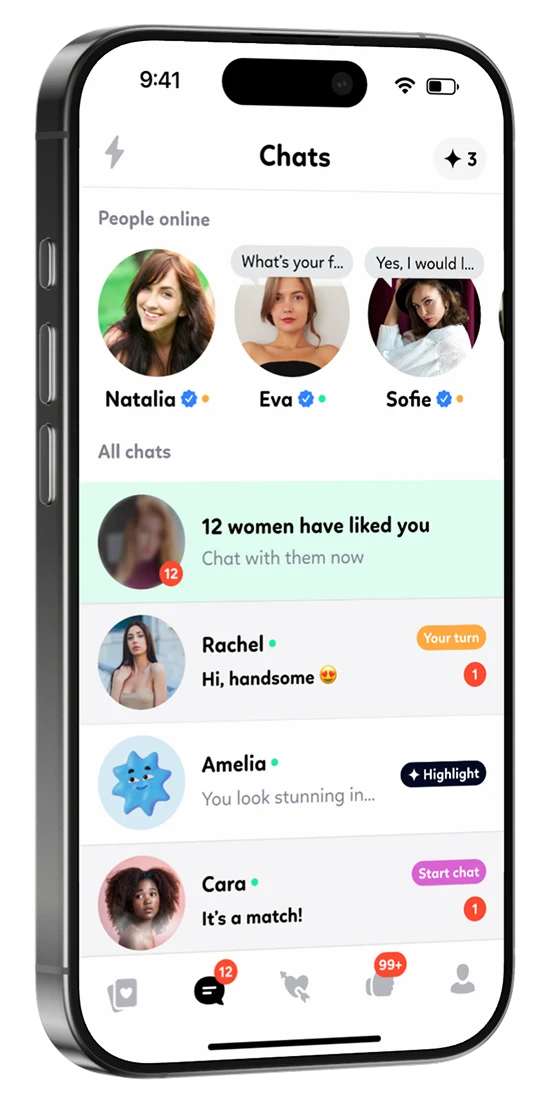
That’s where Kismia fits naturally into the picture. You end up lonely in relationships not because you avoid closeness, but because the connection was built without shared clarity.
Kismia brings that clarity earlier. Verified profiles, value-based matching, and intentional filters help people meet others who are looking for emotional presence and mutual effort, not just chemistry or momentum. When expectations are aligned from the start, connection doesn’t have to compensate for uncertainty later.
Whether you’re trying to repair an existing relationship or considering a new one, persistent loneliness carries useful information. It points to questions of compatibility, emotional safety, and whether the connection you’re in can actually support the kind of closeness you need.