



Gay Relationship Advice: A Practical 2025 Guide for Building Healthy, Long-Term Love

Some couples just “click.” Others click, stumble, freeze, recover, try again—and eventually build something deeper than ease: trust. Whether you're navigating your first gay relationship or trying to breathe new life into a long-term one, the path is rarely linear. This guide shares real, experience-based gay and lesbian relationship advice — the kind that comes from therapy rooms, friendships, and what actually works in day-to-day love. Wherever you're starting from, there's a way forward.
Foundations: What Healthy Gay Relationships Look Like Today
So what does a healthy start actually look like?
You notice what matters — how each of you shows care, what “home” feels like, what kind of partnership feels right when things get real.
And you build safety, by knowing you’ve got each other’s back, even with space in between.
The best gay relationship advice today focuses on what actually feels safe and sustainable for both of you — not what's expected, but what works.
That’s especially important because many queer men enter relationships carrying quiet wounds — rejection, invisibility, years of self-protection.
As therapists from The Gay Therapy Center note, building something strong often starts with unlearning survival mode — and learning how to feel safe, seen, and chosen.
First 90 Days: Set the Tone
The beginning sets the beat. Those first weeks shape everything that follows. And while passion matters, so does a light scaffolding.
Here’s what that might include:
-
Goals: “Are we dating to explore, or hoping to build something long-term?”
-
Boundaries: Emotional (e.g., “I need quiet after work”) and digital (e.g., social media etiquette).
-
Communication cadence: How often do we check in? Talk through stuff? Are texts okay or overwhelming?
-
Sexual health agreements: Are we exclusive? Testing together? Starting PrEP?
Too early? Only if you believe guessing builds trust. Naming your needs early protects you both. As noted in Therapy Changes guide for gay men,
“Assumptions are the enemy of connection. Don’t assume your partner knows what you need, especially early on. Talk about it — even if it feels awkward.”
Early clarity around boundaries, communication, and expectations isn’t heavy — it’s healing. You’re not killing the vibe. You’re building the safety that makes deeper intimacy possible.
Long-Term Pillars
Fast starts are exciting. But long term gay relationship advice is about what comes after the infatuation fades.
Long-term strength is built on:
-
Rituals for connection: A weekly walk. A bedtime question. A playlist you update together.
-
Conflict hygiene: Pausing when things get tense, and returning when you’re ready.
-
Joint planning: Finances, holidays, emotional load. What are we building together?
-
Individual autonomy: Time apart isn’t a threat—it’s nourishment. You each have space to grow.
One of the most grounding pieces of first gay relationship advice for couples is this: make room for both closeness and independence. The strongest bonds tend to grow from that balance.
Communication That Prevents Most Problems
Effective gay relationship advice focuses on preventative communication. That means scripting — not to sound robotic, but to avoid the landmines before they explode.
Examples:
-
“What I need right now is a little reassurance. Can I ask for that?”
-
“I’m feeling tense and I don’t want to lash out. Can we take 20 minutes and come back?”
-
“I know this wasn’t your intention, but here’s what landed hard for me.”
Weekly Check-In Template (15 Minutes)
One of the most low-effort, high-impact tools in any long-term relationship? The 15-minute check-in.
Here's a simple structure:
-
Wins: What went well this week?
-
Friction: What felt off, even slightly?
-
One micro-promise: “I’ll be more present at dinner.” “I’ll give you space when you ask.”
Use a shared calendar or recurring reminder. The routine matters more than perfection.
When You’re Triggered
We all get triggered. What matters is what happens next.
Create a plan for those moments:
-
Pause phrases: “I’m noticing I’m getting reactive.” “This is bringing up something old.”
-
Time-outs: Not slamming the door. Just 30 minutes to breathe, journal, walk.
-
Resuming: “Can we revisit that now that I’ve had time to calm down?”
Small moments like these are how trust slowly rebuilds.
Jealousy & Insecurity: From Spiral to Signal
Gay relationship advice jealousy frameworks teach us to treat it like data. Not proof of failure. Just a signal that something’s out of sync.
Three Questions to De-escalate Jealousy
-
What story am I telling? (“He’s texting someone prettier.”)
-
What reassurance do I need? (“I want to hear that I matter to him.”)
-
What boundary is unclear? (“Are we still cool with flirty DMs?”)
Ask these before reacting. Journal them. Share them, if it feels safe. You’ll short-circuit 90% of spirals.
Agreements That Reduce Ambiguity
Ambiguity is fuel for insecurity. Clear agreements reduce it.
-
DMs: What counts as flirting?
-
Nightlife norms: Dance with others? PDA rules?
-
Exes: Can you stay friends? Sleepovers off-limits?
-
Thirst traps: Okay or not?
-
Location sharing: Voluntary? 24/7?
No rulebook is universal. It’s about you two deciding together. That conversation is the safety net—not the rules themselves.
Monogamy or Open? Designing a Relationship on Purpose
What’s “normal” is what you agree on. The healthiest relationships—monogamous, open, or somewhere in between—are ones that are clear, chosen, and revisited regularly.
Monogamy Playbook
Monogamy doesn’t mean “default.” It means you’ve talked about exclusivity—and how you’ll keep intimacy alive over time.
-
Transparency: If attraction outside happens (and it will), how do we name it without guilt or rupture?
-
Repair after slips: If one of you crosses a line, how will you rebuild?
-
Keeping intimacy alive: Talk regularly about what turns you on, what feels different, and what you’re curious to try. Desire changes — staying connected to it keeps things vibrant and real.
Monogamous couples often assume clarity when they need explicitness. Don’t rely on guesswork—revisit agreements regularly.
Open/Ethical Non-Monogamy Playbook
Open relationships don’t run on vibes. They run on real conversations.
If you’re looking for open gay relationship advice, start with a few things that keep you connected:
• Boundaries — What’s okay? What’s off-limits? What’s still in progress?
• Aftercare — Check in after being with someone else. Doesn’t have to be deep, just something that says: I’m still here with you.
• Feelings — Say them. Even the messy ones. Especially the messy ones.
• No vetoes, just dialogue — If it’s a real yes, it doesn’t need to be forced.
As Therapy Changes puts it, the key piece of gay open relationship advice is staying honest, not pretending discomfort means you’re doing it wrong.
Sex, Intimacy, and Health
Intimacy is where connection deepens. It holds the quiet, the closeness, and the things we don’t always know how to say. For many gay men, intimacy is where relationship shame, performance anxiety, and unmet needs collide. But it’s also where healing begins.
The best gay male relationship advice honors all sides of intimacy—emotional, physical, and practical.
Desire Mismatch Tools
It’s normal for desire to shift. One of you might want it more often. Or differently.
Try:
-
Scheduled intimacy: Scheduling doesn’t kill the spark, it protects it.
-
Responsive desire: Sometimes desire comes after touch begins, not before.
-
Non-sexual closeness: Eye contact. Bathing together. Long hugs. These build safety.
Safety & Screening
Health is part of intimacy, not separate from it. Here's what to make part of your routine:
-
STI testing cadence: Every 3–6 months, depending on activity and agreements.
-
PrEP/PEP: Talk early, talk clearly. No shame.
-
Disclosure etiquette: “I tested last month. Here’s my result.” Simple, respectful, safe.
Closeted, Out, or Different Levels of Outness
You don’t have to be at the same stage of outness to love each other well — but it helps to talk about where you both are.
One of the most overlooked types of gay relationship advice closeted partners can actually use is learning how to hold space for different realities. Maybe one of you is out at work, the other isn’t. Maybe one is ready to post photos together, the other still feels exposed at family dinners.
The final goal is to stay connected while honoring where each of you is, and why.
Staged Outness Plan
If you’re not out equally, plan together:
-
Who knows: Friends? Family? Work?
-
When: What’s the timeline, if any?
-
Support without pressure: Coming out should never be forced. But no one should feel hidden either.
The Gay Therapy Center emphasizes that outness is a process, not a switch. Your job as partners is to honor where you’re each at, and walk it with care.
Protecting the Relationship Under Stress
Pushback may come—from family, culture, or workplace norms. Protect each other by:
-
Establishing a “united front”: What will you say if someone makes a homophobic comment?
-
Creating safe zones: Friends or spaces where you can fully be yourselves.
-
Checking in after high-stress interactions: “How are you feeling after lunch with your dad?”
Money, Home, and Daily Logistics
Resentment thrives in vagueness. Clear logistics = emotional clarity.
Fairness Framework
Shared life means shared systems, not just who pays for dinner, but how you carry the everyday together. No need to split 50/50 if your incomes differ. Try:
-
Income-adjusted expenses
-
Task rotations (not “helping,” just shared life)
-
Shared calendar sync: Meals, appointments, reminders—reduces tension.
Future Planning
Even if you're not married, build shared resilience:
-
Emergency contacts
-
Travel protocols
-
Wills or Power of Attorney if you live in areas where legal protection is weak
Talk about it before you need it.
Conflict, Breakups, and Repair
Disagreements happen — even in the most connected relationships. What matters is how you show up after: with care, honesty, and space to repair.
And if it’s time to part ways, there’s still a way to do it gently.
This is where grounded gay relationship breakup advice makes all the difference.
Repair After Fights
After a rupture:
• Own the impact: “I see how I hurt you.”
• Specify the change: “Next time I’ll pause instead of yelling.”
• Set a follow-up check: “Let’s revisit this in two days and see how we’re doing.”
These small steps are part of what makes relationship advice for gay couples feel real, not dramatic, just deeply human.
Ending Well
Sometimes it’s time. Endings can be kind and thoughtful. This is the heart of real gay relationship advice break up: protecting dignity while creating space to move on.
• Clarity talk: No ghosting. Use direct language.
• Logistics list: Who moves what? What bills remain?
• No-contact windows: Not forever, but enough to heal.
Cheating: Assessing, Deciding, Rebuilding (or Leaving)
It happened. Now you're facing the questions no one wants to ask and that’s where real gay relationship advice cheating becomes essential, when trust is shaken and clarity matters most
Is It Cheating? Define Your Agreements
What counts as betrayal is subjective.
-
Micro-cheats: Flirty messages? Emotional intimacy with someone else?
-
Explicit breaches: Sex outside agreed terms?
-
Update the contract: “What needs to shift so this doesn’t happen again?”
Rebuild or Exit Framework
If you want to stay:
-
Accountability: “Here’s what I did and why.”
-
Timelines: Healing takes time. Set check-ins.
-
Therapy options: Individual and/or couples counseling.
If you leave, do it with dignity, not destruction.
When You’re New to Gay Relationships
There’s no handbook for this. Many gay men grow up without seeing any healthy relationships that look like theirs. You’re not broken, you’re just starting from a place most people never had to question. That’s why real new gay relationship advice needs to feel less like a rulebook and more like a conversation.
Starter Habits
When everything feels new, it helps to have people around who remind you what healthy can look like — maybe it’s an older queer couple, maybe a friend who doesn’t rush you into labeling what you’re not ready to name.
Balance what you’re taking in, too. If your feed is all thirst traps or worst-case breakups, it’s easy to forget how many versions of queer love actually exist.
Take your time with definitions. You don’t have to figure out what this is on day three. Sometimes the more important question is, “What do you need right now?”
That’s the kind of gay dating relationship advice that holds up: slow, steady, and kind — the kind that makes space for real connection.”
Why Some Singles Choose Kismia for Intentional Dating
Dating today often feels fast and uncertain — so many faces, so few genuine moments.
For many gay men, what matters now is finding something grounded: honesty, effort, and mutual care.
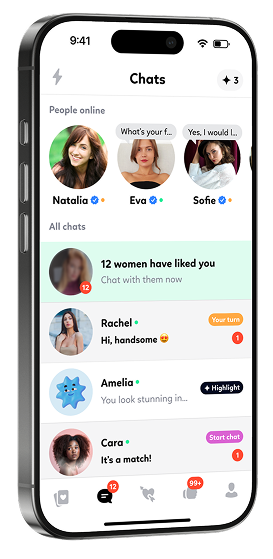
That’s what Kismia was designed for — to help people meet with purpose, not pressure. Here, you can see who’s verified, what they’re looking for, and how they show up in real conversation.
You get tools for clarity — intention settings, long-term goals, and profiles built around substance, not performance.
Kismia gives space to slow down, connect, and let something real take shape. If you’ve been wanting to apply all that gay relationship advice in real life, this is a place to start.
Find someone who’s ready to meet you halfway. Start your story on Kismia.