



How to Reject Someone Nicely Without Hurting Them

Saying “no” often sounds simple when you’re not the one having to say it.
Most of us were never really taught how to reject someone nicely. We figure it out as we go: through awkward pauses, delayed replies, messages we reread and wish we’d worded differently. Because rejection feels uncomfortable, it’s easy to put it off, soften it too much, or quietly step away instead.
Avoiding the moment rarely helps. It usually adds weight to it, stretching a short interaction into something heavier than it needs to be.
When you reject someone, the focus doesn’t have to be on protecting yourself from discomfort or finding the safest wording. What tends to matter more is treating the situation as a small, human exchange — one that involves real feelings on both sides. When handled with care, a rejection doesn’t come across as cold or dismissive. It comes across as polite and respectful.
This guide offers more than ready-made lines. It helps you understand how refusals are usually received, where confusion tends to creep in, and how to communicate a no in a way that feels steady and humane, with practical examples to use when you need them.
How to Reject Someone Nicely Without Hurting Them
Ghosting often feels like the least dramatic option — no confrontation, no explaining, just silence. But for the person on the other side, silence rarely feels neutral.
When someone reaches out — asks you on a date, follows up after one, or continues a conversation, they’ve already made a small emotional move. When there’s no response, the moment doesn’t really end. It lingers, leaving space for second guesses and unanswered questions.
A polite rejection brings that moment to a close. Clarity is not cruelty, and knowing how to close one door cleanly is part of what makes space to meet your future partner without carrying unnecessary weight from the past.
Knowing how to politely reject someone isn’t about finding the perfect wording. It’s about offering enough clarity for the other person to stop wondering where they stand. Even a short, respectful “no” can do that.
Uncertainty tends to be stressful, especially when a situation has no certain ending. Studies published in PMC note that when people are left without closure, their attention often stays fixed on what remains unresolved, which can increase emotional strain. A certain ending doesn’t remove disappointment, but it often makes it easier for the mind to disengage and move forward.
This is why being mindful of how to respectfully reject someone makes a difference. It allows you to be direct and considerate, without overstepping emotional boundaries.
A few things tend to help:
-
Speak in the present, not hypotheticals.
-
Be honest without over-explaining.
-
Avoid leaving doors half-open if you don’t mean to walk through them.
If you’re wondering how to politely say no, remember this: clarity is not cruelty. Silence often is.
How to Reject Someone Nicely Over Text
Text makes rejection feel both easier and harder: easier because you don’t have to manage someone’s reaction in real time, harder because tone can blur and words can land more sharply than intended. Still, learning how to let someone down easy over text is a real modern skill and often the most practical option.
In practice, the message works best when it’s simple, direct, and sounds like something you’d actually say.
A few patterns tend to work when you’re figuring out how to reject someone nicely over text:
-
Send the message sooner rather than later. Waiting usually adds weight.
-
Keep it short, but warm enough to feel human.
-
Use “I” statements so it doesn’t feel like an evaluation of them.
People often worry that a text rejection is inherently rude. But context matters. If you’ve only chatted or gone on one date, texting is usually appropriate and often preferred. What matters more is the tone than the medium. Knowing how to turn someone down nicely over text helps the message land in a calmer, more honest way.
How to Reject Someone Nicely Over Text
Sometimes it helps to have words ready. Not to hide behind them, but to avoid freezing in the moment. These rejection text message examples are meant to be adapted so they still sound like you. Think of them as starting points you can adjust to your own voice.
After talking, before a date:
-
“I enjoyed our chat, but I don’t see this going further. I didn’t want to leave you guessing.”
-
“I’ve thought about it, and I don’t think this is a match for me. I wanted to be honest.”
After one date:
-
“Thank you for meeting up and for the time you shared with me. After thinking it over, I didn’t feel the kind of connection I’m looking for, so I don’t want to continue. I wanted to be clear rather than lead you on.”
Turning down a date invitation:
-
“Thanks for asking, I do appreciate it. I’m going to pass, but I wanted to be upfront so I don’t waste your time.”
These kinds of rejection texts work because they’re simple and complete. They don’t invite debate, and they don’t leave room for confusion. If you’re looking for how to tell someone you’re not interested text examples, notice how each one respects the moment without stretching it out.
You don’t need to soften every word. What matters more is being honest and considerate.
How to Reject Someone Nicely Over Text Without Hurting Them
When people wonder how do you reject someone nicely, especially over text, they often focus on avoiding hurt. Disappointment, though, is usually part of the moment. What tends to make it harder is when the exchange drags on through vague wording or unanswered pauses, instead of reaching a natural end.
What helps most is consistency. Tone, timing, and meaning need to line up. If a message is kind but unclear, it often creates more emotional work for the other person. In practice, how to kindly reject someone comes down to keeping the message honest, contained, and easy to understand.
A few practical choices make a difference:
-
Send the message once you’re sure, not after long pauses.
-
Keep it focused on your decision, not their qualities.
-
Avoid language that sounds like a future possibility if there isn’t one.
The article “Why Does Rejection Hurt So Much?” published by Psychology Today explains that people recover faster from rejection when the message is direct and non-evaluative. Setting boundaries reduces rumination because there’s less to reinterpret later.
That’s why learning how to let a guy down easy over text (or anyone) often means being straightforward sooner, not gentler for longer.
How to Reject Someone Nicely Over Text
Saying no before a date sounds straightforward. The same clarity that helps you decline with grace also helps you show interest when it's real, and if you want to improve your flirting game, knowing how to communicate directly is the best place to start.
Refusal itself is not what usually makes this moment uncomfortable. It’s the pause afterward: waiting too long, drafting and redrafting a response, wondering how it will land.
When you’re thinking about how to politely decline a date, the key question is whether your reply feels finished. A complete response acknowledges the invitation and closes the loop, so it doesn’t leave room for guessing what you meant or whether the answer might change.
You don’t need to explain your reasoning in detail to be respectful. Knowing how to decline a date politely often means trusting that a brief, honest response is enough. Long explanations often blur the message, while an honest refusal tends to feel steadier for both people.
These kinds of responses usually work well:
-
“Thanks for the invitation. I’m going to decline, but I appreciate you asking.”
-
“I don’t feel this is the right fit for me, so I’ll pass. Wishing you well.”
They decline a date politely because they’re direct without being abrupt. There’s no judgment, no justification, and no trailing off. The invitation is treated as a normal part of dating, not as something that needs careful emotional management.
How to Reject Someone Nicely Over Text
Reactions to rejection vary widely, but social expectations still shape how people interpret certain signals. Awareness helps you choose wording that’s less likely to be misunderstood, without shifting your boundaries. The message should be able to stand on its own.
How to Reject a Guy Nicely
When rejecting a man, overly soft language can sometimes be taken as uncertainty rather than kindness. If you’re thinking about how to reject a guy nicely, clarity usually helps more than cushioning.
Phrases that sound final tend to be received more calmly than ones that sound open-ended:
-
“I don’t feel the connection I’m looking for, so I won’t continue.”
This isn’t cold. It simply removes ambiguity.
How to Reject a Girl Respectfully
When rejecting a woman, tone often matters more than length. Respect tends to come from acknowledging the interaction itself, not from reassurance or compliments.
If you’re considering how to reject a girl, focusing on the shared moment rather than her qualities usually feels steadier:
-
“I appreciate the time we spent talking. I don’t feel this moving forward for me, so I’m going to step back.”
It communicates care without suggesting responsibility for her reaction.
Focus on the Right Connection with Kismia
Learning how to reject someone nicely is part of dating, but ideally, it shouldn’t be something you have to do all the time.
A lot of awkward rejections happen because people meet without real alignment. Different relationship goals. Different expectations about pace, commitment, or what they’re even looking for. By the time that becomes obvious, someone has already invested more than the situation can hold.
That’s where a platform like Kismia can feel like a reset.
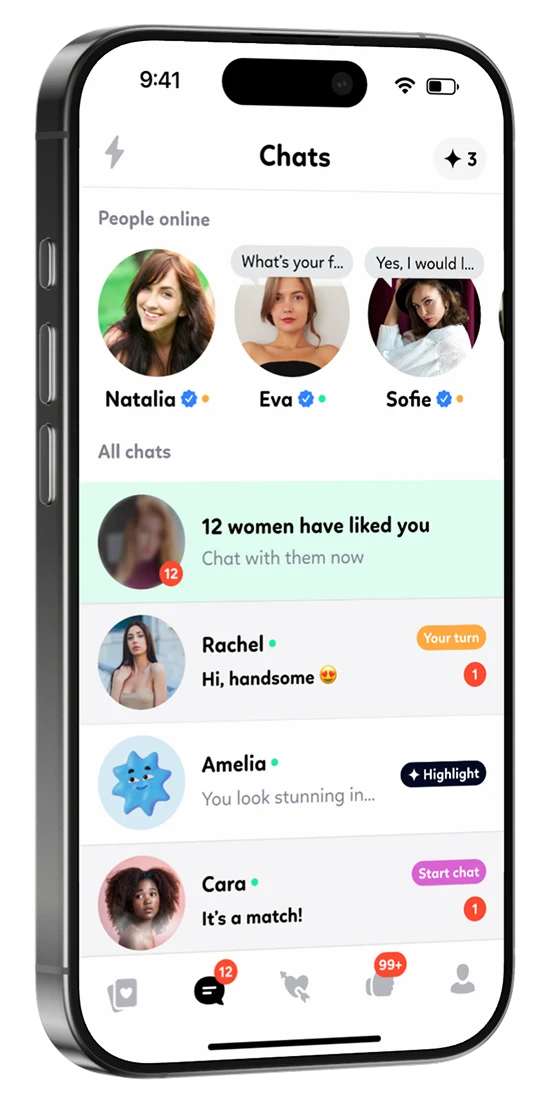
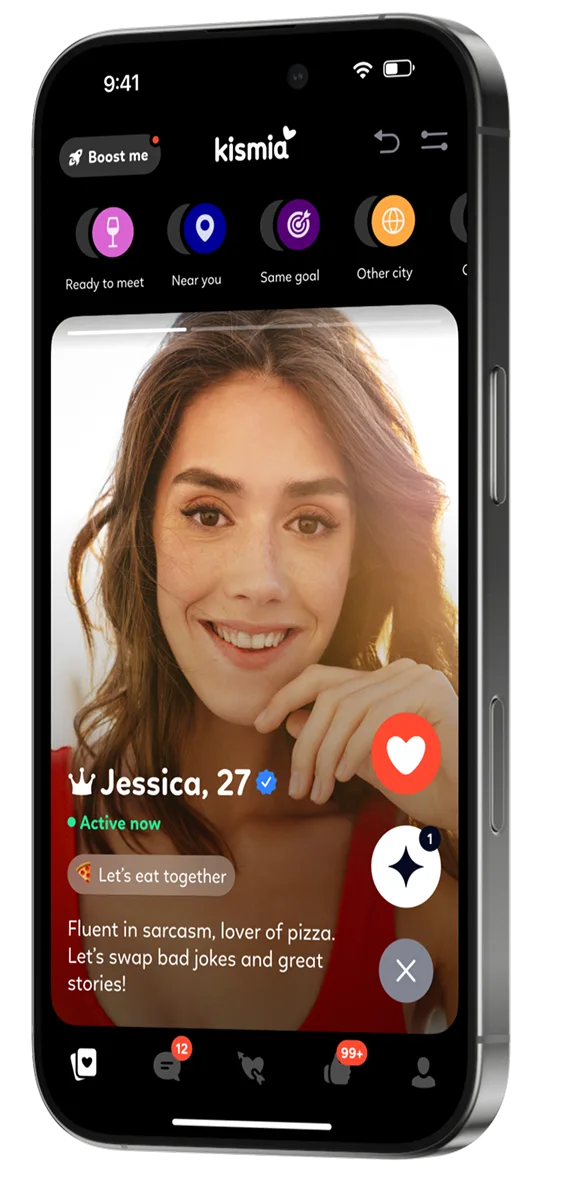
Kismia is built around intentional matching rather than endless swiping. Profiles are designed to be filled out thoughtfully, which means you’re more likely to see someone’s priorities, relationship goals, and general outlook before you ever start talking. That context matters. It filters out a lot of conversations that would otherwise lead to polite refusals later.
Instead of guessing where someone stands, you’re meeting people who are already clearer about what they want and more open about sharing it. For many users, that means fewer mismatched chats, fewer uncomfortable moments, and less need to figure out how to politely decline at all.
Dating will always involve choice. But when compatibility is considered earlier, those choices feel calmer — and much less personal.
If you’re tired of navigating awkward endings and would rather focus on connections that actually fit, Kismia offers a more deliberate place to start.