



Gen Z Dating: From Viral Terms to Real Relationships

Gen Z dating isn’t about checking boxes or sticking to someone else’s timeline. For this generation, what matters is how it feels, not how fast it happens. Labels can wait, honesty can’t. Real connection, for GenZ, starts where comfort is present, not as a reward, but as a requirement. If you're ready to start something real, that foundation matters from day one.
These shifts are also reflected in the emerging Gen Z dating trends 2026, which show how young people balance technology with authenticity in modern relationships.
The guide explores how GenZ connects today from modern milestones to red flags and what it actually means to build something real in a swipe-heavy world. We’ll break down the most relevant Gen Z slang for dating, explore how values shape behavior, and unpack Gen Z dating statistics 2026 to show what’s really happening behind the trends.
Curious what dating apps do Gen Z use in 2026 and why some are leaving the big names behind? You’ll find answers here.
Gen Z Dating Trends in 2026: What’s Changing and Why
Gen Z isn’t following a script when it comes to dating, they take their time, talk things through, and focus less on fitting a label and more on finding what feels honest.
-
Slow dating is getting a lot of attention. Instead of jumping into exclusivity, many GenZers want to take time to get to know someone through voice notes, long texts, or even group hangouts.
-
Transparency is expected. Mental health, personal space, and emotional safety aren’t topics GenZ saves for later, they’re right there in the early conversations, often before anything gets romantic.
-
Definitions are fluid. Situationships, casual dating, and non-monogamy show up often, not as exceptions, but as part of GenZ’s normal vocabulary around dating. Labels aren’t off-limits, GenZ just tends to wait until they make sense, not force them too soon.
This shift isn’t just personal, it matches broader cultural patterns. Young people today are asking: What feels authentic? What feels safe? That’s changing the rules of romance.
Gen Z Dating Statistics 2026: What the Numbers Say
Numbers don’t tell everything, but they give shape to what so many feel.
-
According to a recent survey by YPulse, a large share of GenZ people say they value emotional connection over casual swiping.
-
From Pew Research: among online dating users under 30, nearly half report having used Tinder, while about 30% each report using Match and Bumble.
-
A 2026 Axios / Generation Lab survey found that only 21% of GenZ respondents used dating apps in the past month, despite widespread recognition of them as a tool. Many still prefer meeting through friends or in real-life settings.
-
Dating app fatigue is real: Forbes reports that around 78% of GenZ users say traditional dating apps leave them feeling emotionally tired.
What does this mean? GenZ and dating online are not always a perfect match. Many young people reject superficial swiping in favor of connections that feel genuine and lasting.
Specific preferences also play a role in modern dating trends, with niches like tall men dating maintaining their popularity among users
Dating Slang & Relationship Terms GenZ Uses
Here are some common Gen Z dating slang and shorthand real phrases they use in DMs, texts, and memes. Helpful to know, not just for decoding culture, from terms to apps, even a unique Gen Z slang for relationships has developed, reflecting how this generation communicates intimacy and trust in new ways
-
Situationship - a relationship that’s more than friendship, but without defined boundaries or commitment.
-
Orbiting - someone follows you on social media, sees your content, but never interacts; keeps distance rather than engaging.
-
Breadcrumbing - sporadic messages or signals that keep someone stringed along (without serious interest).
-
Benching - keeping someone “warm” as a backup while exploring other options.
-
Slow fade - when someone gradually reduces communication instead of giving a clear end.
-
Cuffing season - short-term dating or pairing up specifically during colder months or holiday season.
Together, these GenZ terms for dating show how language itself reflects shifting expectations in how relationships start and evolve.
Gen Z Relationship Culture: What They’re Looking For
Unlike previous generations, Gen Z relationships often prioritize honesty, autonomy, and emotional safety over formal labels. GenZ doesn’t follow the same dating script many grew up with. They’re asking different questions - What feels honest? What feels real? - instead of racing toward labels or commitments just for appearances.
Many in dating Gen Z are cautious about jumping into exclusivity too soon. Someone might say “I’m not ready for a label”, yet still want emotional closeness, reliability, and respect. Instead of rushing they prefer seeing whether a potential partner meets the unspoken expectations of safety, curiosity, and consistency.
Recent data from Pew Research Center shows that among Americans under 30, about 53% say they have used a dating site or app. That emotional range is often reflected in Gen Z terms for relationships like “soft launch” or “talking stage” - phrases that highlight a slower, more intentional pace many older generations overlook.
Trust and autonomy aren’t afterthoughts. In a culture where sharing everything online is normal, keeping parts of your life private can be how you protect your heart. Ghosting still happens, but more GenZers are pushing back, asking for clarity, expecting real talk, and deciding what feels good based on how someone shows up, not just how they appear. Part of that shift means learning how to show interest clearly, and learn to flirt with confidence without mixed signals.
While general apps are great, dating sites Spokane serves a specific community.
Popular Dating Apps for GenZ: What They Use and Why
The question does Gen Z use dating apps comes up often, and the answer is yes, but with very different goals compared to millennials. GenZ shows up on dating apps, but not always with the same agenda. Many want depth; many want options. The apps that match GenZ values are those that allow for flexibility, authenticity, and control.
According to Gen Z dating app usage statistics 2026 from Cloudwards report, about 50% of U.S. adults ages 18-29 have used a dating app or site at some point. That age bracket skews heavy toward Gen Z. The same report points out that more than half of people using these platforms want signals of safety and honesty. Features like verification, ability to hide profile, and transparent intention filters are no longer optional, they’re expected.
Apps like Tinder and Bumble continue to be entry points - casual, swiping-based, fast in matching. But apps like Hinge tend to attract those who want conversation, prompts, and more meaningful connection. And newer apps and features are catching a wave: group-dating, voice-notes, and friend-matching modes show up more often, showing that GenZ doesn’t always want to do the same thing differently, they want different things altogether.
Gen Z cares about both reach and feel: the number of matches is less impressive than how many conversations seem real. Apps with rising positive feedback are the ones that let users move slowly, set boundaries, and stay honest about what they want. The most successful Gen Z dating apps aren’t the ones that rush you into a match. They’re the ones that slow things down, giving space for honesty, safety, and real conversations that can grow into something meaningful.
Why Kismia Works for GenZ
Kismia doesn’t try to be loud, it aims to be real and that matters to Gen Z, especially when what matters most is meaning over momentum.
Being the best dating app for Gen Z means more than trending, it means actually helping people connect.
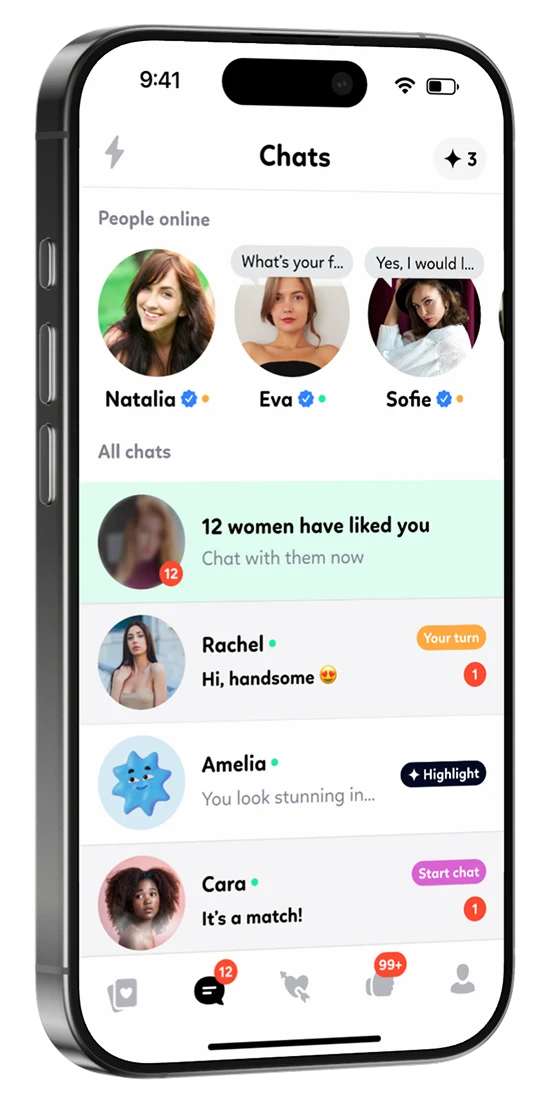
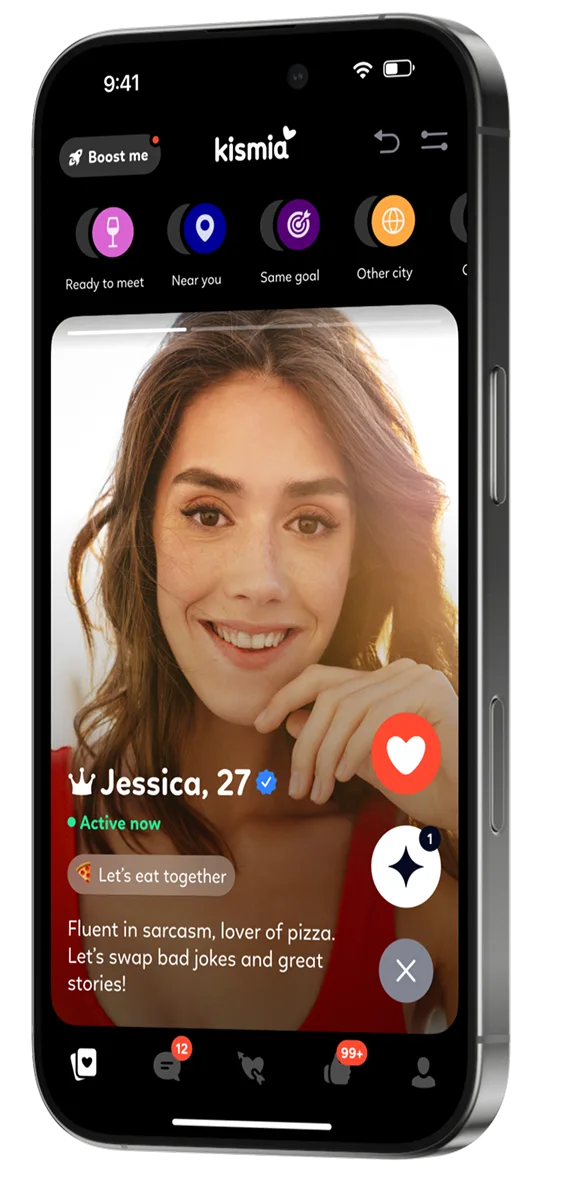
Kismia offers verified profiles, letting users skip guessing whether someone is who they say they are. Intent filters let people share what type of connection they want right from the start.
Messaging tools on Kismia are built for conversations - space to think, to share stories beyond images or emoji. You won’t be nudged to move faster or to make decisions you’re not ready for.
For example, a black people dating site caters to specific cultural preferences.
The platform respects that sometimes matching comes before talking, and talking comes before meeting. It supports Gen Z dating culture by letting people define their pace.
Emotional safety, honesty, boundaries - the features naturally built into the Kismia app. If you want a dating experience where you feel seen, heard, and not rushed, that’s what this platform does differently.