



How to Ask a Coworker Out Respectfully and Keep Things Comfortable

You spend more waking hours with your coworkers than with almost anyone else, so it makes sense that a crush sometimes grows. The tricky part is the math afterward. If you ask out a stranger, a no just ends the chat. But ask out someone at the next desk, and you still share the office on Monday.
Plenty of people wonder how to ask out a coworker and freeze at the very same worry. This guide walks you through it with one simple filter and a few scripts. The goal is a yes you both feel good about, or a no that leaves things at work completely normal.
When Asking a Coworker Out Makes Sense
Work is still one of the top places people meet partners, right after friends and bars. And these connections often turn into long-lasting ones. In a 2025 Resume Genius survey of 1,000 U.S. workers, 30% said a coworker connection became a long-term relationship. So your instinct is common, and it often works out well.
Timing counts more than nerve. A few signs you are on solid ground:
- You two already talk easily, and not only about deadlines.
- The interest looks mutual, not one-sided.
- Neither of you manages the other or controls the other's pay or reviews.
- Your company allows coworkers to date.
That last point is worth a quick check: read your handbook before you make a move. Some firms ask you to disclose a relationship, and a few limit dating across ranks. Knowing the rules is part of good workplace dating etiquette, and it protects you both.
Wondering how to ask out a coworker you don't know? Remember: if you barely know the person yet, it’s best to slow down. The bond usually starts with a few real conversations first, not a cold invite. That care is what separates a clumsy move from knowing how to ask a coworker out on a date that people want to say yes to.
Power gaps deserve extra thought. If you manage someone, or they report to you, a romantic ask can feel like pressure even when you mean none. The best would be to wait until that line no longer exists.
How to Ask a Coworker Out Without Making It Awkward
Here is the one filter that could help you figure out whether you’re prepared. Before you say a word, picture the Monday after a no. Can you both still run the same meeting and ride the same elevator without it feeling strange? If yes, you are likely ready. If the thought makes you wince, slow down and build a bit more ease first.
An important thing about knowing how to ask a coworker out without making it awkward is being aware that you are protecting two things at once. One is the chance at a date, and the other is a working relationship you both need on Monday. Respect for the second is what keeps the first from blowing up.
A few ground rules make the ask land softly:
- Pick a private moment. Any audience would make things awkward and add pressure, so don’t do it during team lunch or in a group chat.
- Keep it light and low-stakes. You are inviting, not proposing.
- Give a clear, easy exit. A graceful no should cost them nothing.
- Start by reading the room before making a move at work. Look for real eye contact, longer chats, and them seeking you out.
One frank observation about interpreting those signals is that people misread friendly warmth all the time. So treat a pattern over a few weeks as your guide, and don’t view a single smile by the printer as a positive indicator. Consistent signs a coworker might be interested in you will tell you far more than one polite “good morning.”
How to Keep Things Casual and Respectful
The tone of the ask is just as important as the words. In a professional environment, asking someone out casually is better than any grand gestures. A small, friendly invitation is easy to say yes to, and just as easy to turn down. Both of you stay comfortable either way.
Below are two natural ways to do it, in person and by text.
How to ask a coworker out casually in person
In-person works best when you already chat often. Keep your voice relaxed and your ask specific. A vague hangout invite leaves people guessing, so name a real plan.
Try something like this:
- "There is a new coffee place near the office. Want to check it out Friday after work?"
- "I really enjoy talking with you. Would you want to grab dinner sometime this week?"
That is the whole script for how to ask a coworker out casually: you give a small compliment, a clear plan, and a simple question. Then you stop talking and let them answer.
If you want to know how to ask a coworker to hang out without naming a date outright, soften the first step. "A few of us might catch live music Saturday, but I would love it if it were just us two."
These lines work whether you are figuring out how to ask a female coworker to hang out or how to invite a guy you have had your eye on. This playbook covers how to ask a female coworker out and how to ask out a male coworker equally – the words barely change.
And if you would rather they make the first move and are wondering how to get a coworker to ask you out, it comes down to the same signals in reverse. It’s simple: be warm, linger in the conversation, and make your interest easy to read.
How to ask a coworker out over text in a natural way
Text gives you room to think, and it gives them room to reply on their own time. That’s why it can feel kinder than a surprise ask at someone's desk. The key to asking a coworker out over text is to keep it short, warm, and pressure-free.
A good message looks like this:
"Hey, I always enjoy our chats. Would you want to grab coffee this week, just the two of us?"
That shows how to ask out a coworker over text in one breath. Don’t write long paragraphs or build up to it heavily. If they say yes, set a time. If they go quiet or keep it strictly to work, take the hint kindly and let it rest.
A low-pressure way to ask a coworker out by text leaves the door open. You are not cornering anyone. They can answer with a quick yes or a soft pass, and you both move on.
What to Do if Your Coworker Says No
A no stings, and it stings more when you see the person at your workplace tomorrow. So have a plan for that moment before you ever ask.
The move is simple: accept it warmly, in one sentence, and change nothing about how you treat them at work.
Try: "No worries at all, I am glad I asked. See you in the meeting." Then you mean it. You keep greeting them the same way, sharing the same projects, and acting like a steady colleague.
Asking a colleague out is brave. But remember: a second ask, after a clear no, reads as pressure. Real respect means a no is a full answer, and you do not chip away at it.
The data backs the careful path. In that same survey, 43% of workers said a coworker once showed interest they did not return, and 35% of employees have experienced unwanted advances from a coworker that made them feel uncomfortable. You stay firmly on the right side of that line by asking once, kindly, and then letting it go. Handling rejection from a coworker gracefully is what keeps your reputation and your work intact.
Dating a Coworker Without Affecting the Workplace
Say the answer is yes. Part of knowing how to ask a coworker out well is also knowing what comes next if they say yes. Now you are dating someone you work with, and a new skill kicks in. You have to keep the romance and the job in separate lanes. Plenty of couples do this well, and a few habits make the difference.
How workplace relationships can change team dynamics
A new couple shifts the feel of a team, even a happy one. Coworkers notice who sits with whom and who backs whom in meetings. In the 2025 survey, 23% of people in an office romance became the subject of gossip, and 57% still said it made work more fun. So the effect cuts both ways.
Good workplace dating etiquette means keeping your work selves professional in shared spaces. Save the inside jokes and the long lunches for off the clock. If either of you ever weighs in on the other's project, be extra fair and say so out loud. That openness stops the favoritism worry before it starts. Dating a coworker without affecting work is mostly about being a little boring at the office and saving the good stuff for later.
How small misunderstandings can affect the workplace
Small things grow fast when you share a calendar. A short reply during a stressful morning can read as a fight, and a skipped lunch can feel like a snub. None of it may mean much, but it can leak into the workday and sour it.
So set one simple rule together: work talk stays at work, and relationship talk waits for home. If a disagreement flares, park it until you both clock out. That single boundary keeps a rough patch at home from turning into a tense team meeting.
Breakups need the same care. Around 27% of workers have ended a relationship and kept working together just fine. The ones who manage it tend to agree early on how they will act if things end. A quick chat about that may seem grim, but it is necessary for keeping things professional after asking someone out at work, and it frees you both to enjoy the good part.
Looking for an Easier Place to Be Asked Out?
Sometimes things just don’t work out. Maybe you manage the person, or the office is small, or a no would make every shift painful. Perhaps this is a sign to widen the field.
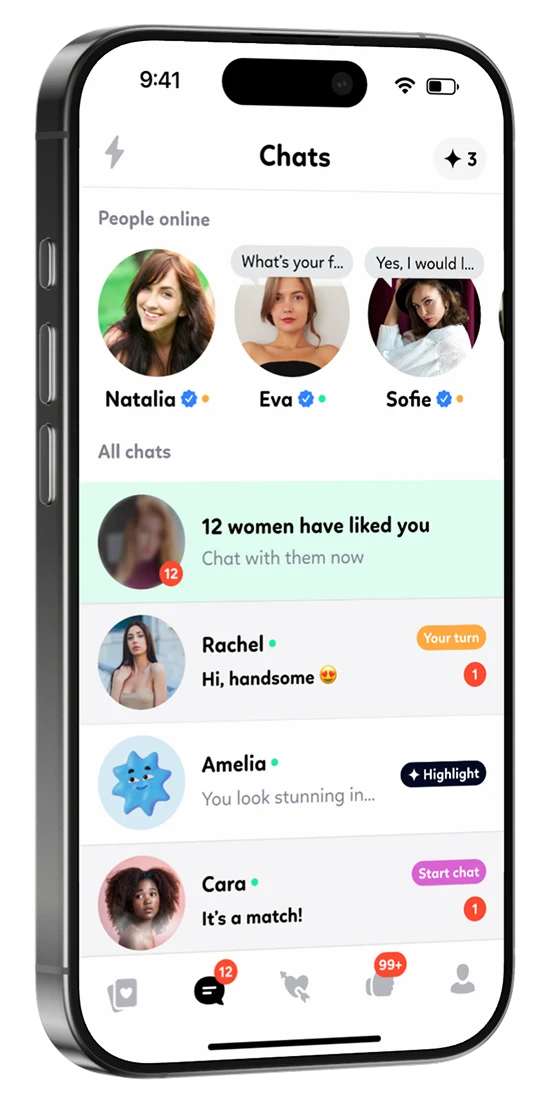
This is where Kismia enters. It is an online dating platform for people who want a serious relationship. You meet singles who say up front what they are looking for, so there is no guessing game or shared calendar to protect. It works on any device, and setting up a profile takes a few minutes. Think of it as a room full of people who are already open to being asked out.