



Can Online Relationships Work Long-Term?

It starts with a message, maybe a call, and before long someone you’ve never sat across from feels closer than people you see every day. That’s the power (and the puzzle) of online relationships. The question isn’t whether feelings are real, but can online relationships work once the novelty wears off?
The truth: they can, and many do. Distance, screens, and schedules create hurdles, but they don’t cancel out connection. Lasting love has never been about geography; it’s always been about communication, trust, and timing. For some, online is simply the doorway to everything they’ve been looking for.
Are Online Relationships Real or Just Digital Illusions?
Let’s tackle the big one: are online relationships real? Some people still believe that if you didn’t meet through friends or face-to-face, it doesn’t count. But if you’ve ever stayed up until 3 a.m. laughing with someone you’ve never met in person, you already know the answer.
Emotional intimacy doesn’t care whether it starts across a dinner table or across a Wi-Fi signal. In fact, as the Sharing Feelings Online study points out, people often reveal deeper emotions faster in digital conversation, the screen removes some of the pressure of face-to-face disclosure.
So, can online relationships work? Absolutely. The illusion comes from believing love only matters when it starts offline. If you're ready to connect with singles ready to commit, the right platform makes that possible.
What Percentage of Relationships Start Online?
Here’s a reality check: almost everyone knows a couple who met on an app. That’s because the percentage of relationships that start online keeps climbing every year. According to the BreakTheCycle report, between 10% and nearly 50% of couples now meet online in the U.S. And what about staying together? If you’re wondering what percent of couples meet online and actually last, the St. Louis Fed notes that over the past two decades, the share of marriages initiated online has grown dramatically.
Online Dating and Marriage: Can It Lead to Something Real?
Once upon a time, saying “we met online” at your wedding felt embarrassing. Today? Not at all. The percentage of marriages from online dating has grown so much that it's now one of the most common ways to find a partner for marriage who actually fits your life. In fact, one in three marriages in the US now begins online.
And the success rate of online dating isn’t slowing down. The stigma is gone, apps are no longer seen as a last resort, but as one of the best ways to find a partner who actually fits your life.
Shared values are essential for longevity; for example, childfree dating focuses on partners who agree on the 'no kids' lifestyle from the start.
How Long Do Online Relationships Last? What the Data Says
Here’s the tricky part: how long do online relationships last? The data says many of them last as long as (or longer than) offline ones, but the real answer depends on the people involved.
Surveys suggest nearly half of online relationships last beyond the one-year mark, and a big portion lead to moving in together or marriage. What makes the difference? Couples who plan real-life meetings, keep communication steady, and share long-term goals are far more likely to go the distance.
If you’re wondering what percentage of online relationships last, remember: it’s not about where the story starts, but how you keep writing it together.
Psychological Effects of Online Dating: The Good and the Risky
Some days, online dating feels like a window into a better version of your love life. One with more options, more honesty, more control.
And then there are days where everything just feels... hollow. You scroll, swipe, scroll again. Profiles blur. Conversations start fast and end mid-sentence. Someone disappears without warning. You wonder if you're burned out or just getting worse at this.
The psychological effects of online dating are real and they’re rarely just one thing. For some, it builds confidence. For others, it chips away at it.
In an article from Psychology Today, researchers explain how our brains often process quick digital attention like emotional intimacy. A “like” might hit the reward center, but it doesn’t always lead to real connection. Over time, that gap between attention and emotional return creates confusion, disappointment, and fatigue.
For those with specific preferences, dating sites Wisconsin is a solid choice.
Are Online Relationships Healthy or Harmful?
Here’s the thing most people don’t say out loud: some of the most emotionally connected relationships start online. You open up faster, ask better questions, skip the surface-level small talk. Screens don’t block connection, they sometimes create space for it.
But when things go wrong, it hits differently. Because it’s easy to fill in the blanks with your own hopes. You don’t see the missed body language or the hesitations in real time, just the silence. And that silence can echo louder than it should.
Online relationships can absolutely be healthy, but only when both people are showing up with honesty, not fantasy. If one person’s hiding behind the app, or just enjoying the attention, it gets lopsided fast.
Online or offline, the only thing that counts is whether both people bring the same energy and if what you’re building can breathe outside the chat window.
How to Make an Online Relationship Work
Plenty of couples wonder how to make an online relationship work. The good news is that success comes less from tricks and more from consistent habits.
-
Set boundaries early. Decide how often you’ll talk, and respect each other’s schedules.
-
Use video calls. Texts are convenient, but seeing each other’s faces creates stronger emotional presence.
-
Plan real-life meetings. Digital love deepens when it has a path toward offline moments.
-
Stay emotionally present. Share feelings, not just updates. “I miss you today” goes further than “I’m busy.”
When it works: one partner says, “I know we can’t meet this week, but let’s cook dinner together on video Friday.” The other shows up, and the connection grows.
When it doesn’t: messages get shorter, calls are postponed again and again, and both feel the distance stretching.
So, can online relationships work long-term? Yes, when partners commit to showing up, even when it’s not easy.
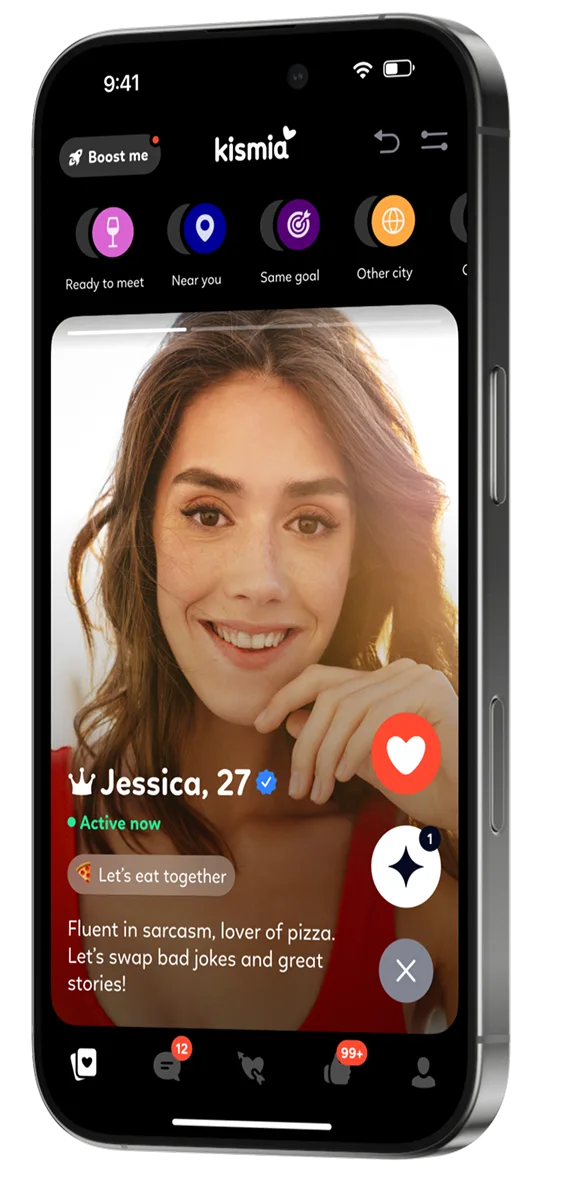
Kismia: Real Intentions, Real People
It’s easy to feel like dating apps are designed for disappearing acts. You match. You talk. You wonder. You might also want to explore dating sites Spokane for specific matches. And just when it starts to feel like something is gone.
That’s why Kismia does things differently.
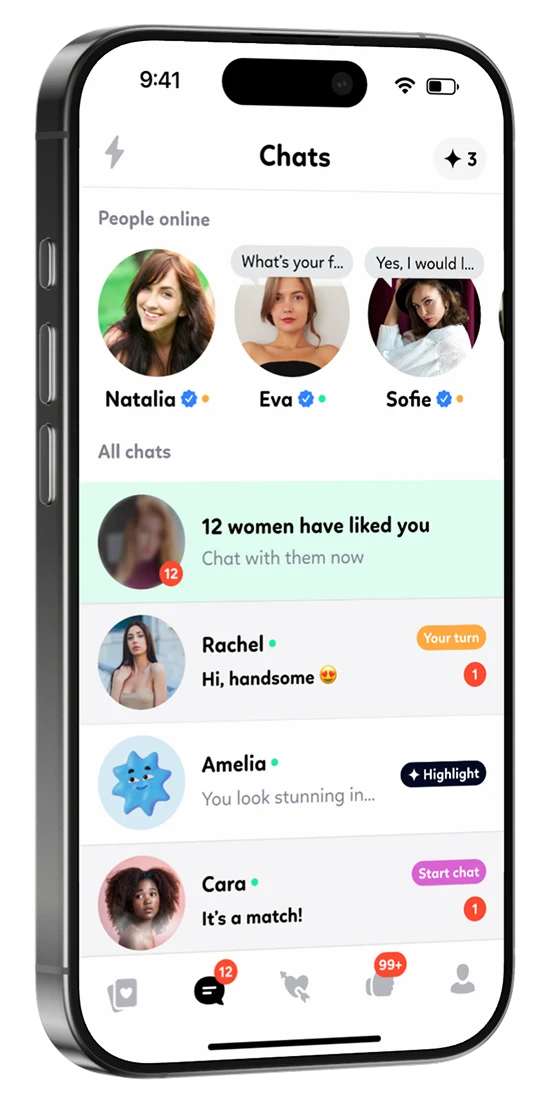
On Kismia, the focus shifts from swiping through noise to taking the time to notice each other.
Here, you can match based on intent, not just photos. You can talk without pressure. You can take a beat before moving things off the app.
-
Verified profiles mean fewer bots, less guessing.
-
Safety features let you stay in control of when, how, and with whom you engage.
-
And filters that focus on emotional readiness help you avoid mismatched goals from the start.
You’re not expected to rush, you don’t have to be perfect, you just get to be honest from the first message.
That changes everything.