



The History of Online Dating: From the First Sites to Today’s Apps
When people inquire when did online dating start, they typically conjure images of awkward bios, likes, and swipes. But it didn’t begin with smartphones. Long before apps made it easy to match with a thumb, people were already trying to bring tech into their love lives - using punch cards, questionnaires, and clunky desktop servers.
This isn’t just a story about apps like Tinder or old dating websites like Match.com. It’s about how digital dating came to be - from the first online dating site to the first dating app, and every turning point in between.
If you’ve ever wondered what was the first dating site, who invented dating apps, or what year online dating actually started, we’re going there. No fluff. No clichés. Just the real story of how people started looking for love through a screen - and why it stuck.
When Did Online Dating Start and Who Created It?
So, when was online dating invented? Most people are surprised to learn that it actually started in the 1960s - yes, really. The first real attempt came in 1964, when Joan Ball launched the St. James Computer Dating Service in the UK. That was followed closely by Operation Match, a Harvard project in 1965 that used punch cards and mainframe computers to match students.
This wasn’t the internet yet, but it was the beginning. The concept that a machine could match you with someone compatible was revolutionary at the time. These early services weren’t websites or apps - but they were the first online dating site prototypes in spirit.
Still wondering what year did online dating start? The groundwork was laid in the '60s, but the world didn’t really catch on until the mid-1990s, when the internet became accessible to everyday people. That’s when things took off.
What Was the First Online Dating Site?
Here’s where we get into more familiar territory. What was the first dating website? Most experts agree it was Match.com. It was the first online dating site to provide the essential components of contemporary digital dating, including messaging, search capabilities, and complete user profiles.
A few other old dating sites like Kiss.com and WebPersonals existed around the same time, but Match.com was the one that defined the space. It felt new, but structured. You signed up, filled out a profile, and started connecting - no swiping, no apps, just straight-up intent.
By the early 2000s, more niche old dating websites appeared. Whether you were looking for a christian dating platform or algorithm-based matching, there was something for every intent, OkCupid went live in 2004, eHarmony launched in 2000.
If you’re tracking the history of online dating, Match.com wasn’t just a pioneer - it was a blueprint. And if you’ve ever wondered when was the first online dating site created, the answer is: 1995.
Ideally, you should also consider New Jersey dating app to expand your options.
When Were Dating Apps Invented?
Apps changed everything. So when did dating apps start? The first wave began in the late 2000s, when mobile tech caught up with dating platforms. Zoosk was among the earliest to launch a true app experience in 2007 - technically making it the first dating app in mobile form.
But the real shift came in 2012, with the launch of Tinder. It wasn’t just another old dating app ported to phones - it was the first dating app created for mobile use, from the ground up. It didn’t feel like a dating site in your pocket. It felt like a game.
Swiping left or right replaced endless profiles and essays. It was simple, fast, and addictive - which is exactly why it worked. That’s also why when did dating apps become popular can be answered in one word: Tinder.
From 2012 onward, dating became something you did while waiting in line, not something you scheduled after work. When were dating apps invented? Technically before Tinder. But when did dating apps come out and start changing the world? 2012 - a major turning point in the history of dating apps.
What Was the First Dating App?
When people ask what was the first dating app, the answer isn’t as clear-cut as it might seem. It depends on how you define a “dating app.” If we’re talking about the first online dating app built specifically for mobile phones, that would be Tinder in 2012. But if we count earlier attempts to bring dating into mobile platforms, then the first dating app title could go to Zoosk, which launched its app in 2007.
Zoosk was born out of Facebook’s developer ecosystem and started as a social discovery platform. It wasn’t designed exclusively for smartphones at first - more like a bridge between social media and online dating. But it paved the way. Its early mobile version made it technically the first dating app available to users on smartphones.
That said, Tinder was the app that redefined what dating apps could be. It wasn’t just a mobile version of a dating site. Because it was made for touchscreens, short attention spans, and swipe gestures, it was mobile-native. That shift in UX made it the first dating app to change how millions approached romance.
If you're wondering when was the first dating app created, you could say 2007 (Zoosk), but 2012 (Tinder) was when things truly turned a corner.
Who Invented Dating Apps?
Dating apps didn’t just magically appear one day. Like most things in tech (and love), they evolved. So if you’re wondering who invented dating apps, the answer is: more than one person - and more than one moment.
The real game-changer? That would be the crew behind Tinder. In 2012, Sean Rad, Jonathan Badeen, Justin Mateen, and a few others launched what felt like the first dating app made for how we actually use our phones - casually, quickly, and constantly. They didn’t just move online dating onto a screen. They reimagined it with swipes, short bios, and instant feedback.
But were they the first? Technically, no. Zoosk had an app back in 2007, making it the first online dating app in mobile form. Then there was Grindr (also 2009), which quietly changed everything for LGBTQ+ dating. These platforms were already exploring what mobile matchmaking could look like, from mainstream audiences to niche communities, including early versions of what would become today's asian dating platform options and other culturally focused apps.
So if we’re talking strictly:
-
When was the first dating app created? Probably 2007.
-
What was the first online dating app? Zoosk, most likely.
-
Who invented dating apps as we know them today? Tinder’s team. No contest.
-
When were dating apps created in modern form? 2012, with Tinder.
Bottom line: dating apps didn’t start with a spark - they started with a swipe.
While general apps are great, California Dating sites serves a specific community.
When Did Online Dating and Dating Apps Become Popular?
Here’s the thing: online dating didn’t go viral overnight. It simmered, slowly gained trust, and then - boom - became a totally normal way to meet someone.
So when did online dating become popular? Let’s break it down:
-
1995: Match.com launches. The first dating website to feel mainstream, even if people still whispered about using it.
-
Early 2000s: eHarmony and OkCupid roll out more thoughtful matching systems - think psychology quizzes, long bios, and fewer shirtless mirror pics. These old dating websites helped online dating feel less sketchy and more legit.
-
2007–2010: Mobile enters the chat. When did dating apps start? Around here. Zoosk and Grindr were early players, showing that phones could be more than just for texting.
-
2012: Everything changes. Tinder launches. And when did dating apps become popular? Basically the second people realized they could meet someone cute with one thumb.
-
2020s: Pandemic dating. Screens became the only way to connect, and even the skeptics downloaded an app or two.
So if you’re still wondering what year did online dating start catching on, the truth is:
-
Old dating sites started the movement.
-
Dating apps made it explode.
Now? Online dating isn’t weird. It’s normal. Expected. And, for many, how love starts.
Old vs. New: How Dating Sites and Apps Compare
Once upon a time, finding love online meant logging into a desktop, answering 200 questions, and hoping your modem didn’t crash mid-message.
Thinking of exploring 50 plus dating sites allows you to meet others who feel the same way. That’s an old dating site vibe.
Today? Dating lives in your pocket. Fast, swipey, snackable. But are old dating websites still relevant - or are they totally outpaced by apps?
Let’s compare:
User experience
• Old dating apps (and websites) = longer profiles, more reading, slower pace.
• New apps = quick decisions, shorter bios, and way more scrolling.
Intentions
• Old dating sites like Match or eHarmony were built for serious relationships.
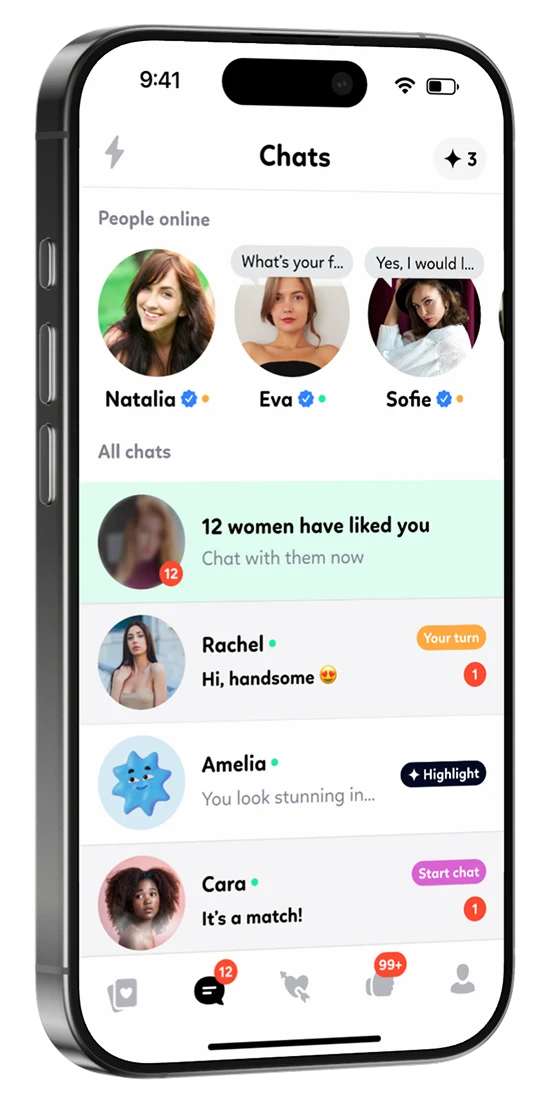
• A lot of new apps lean casual - though platforms like Kismia and Hinge are pushing back on that.
Technology
• Early dating apps were straightforward; consider simple profile pictures and messaging.
• Today we have algorithmic filtering, photo verification, and AI matching.
Accessibility
• Before, online dating meant time at a desktop.
• Now? You could be matching while in line for coffee.
So are old dating apps outdated? Not necessarily. They just move slower - and sometimes, that’s exactly what people want. Especially if you’re dating with intention.
Whether you’re into the history of online dating or just tired of meaningless matches, it’s clear: both styles still have a place - and a purpose.
Don't forget to look into divorced dating as well.
Kismia: Serious Dating for the Modern Era
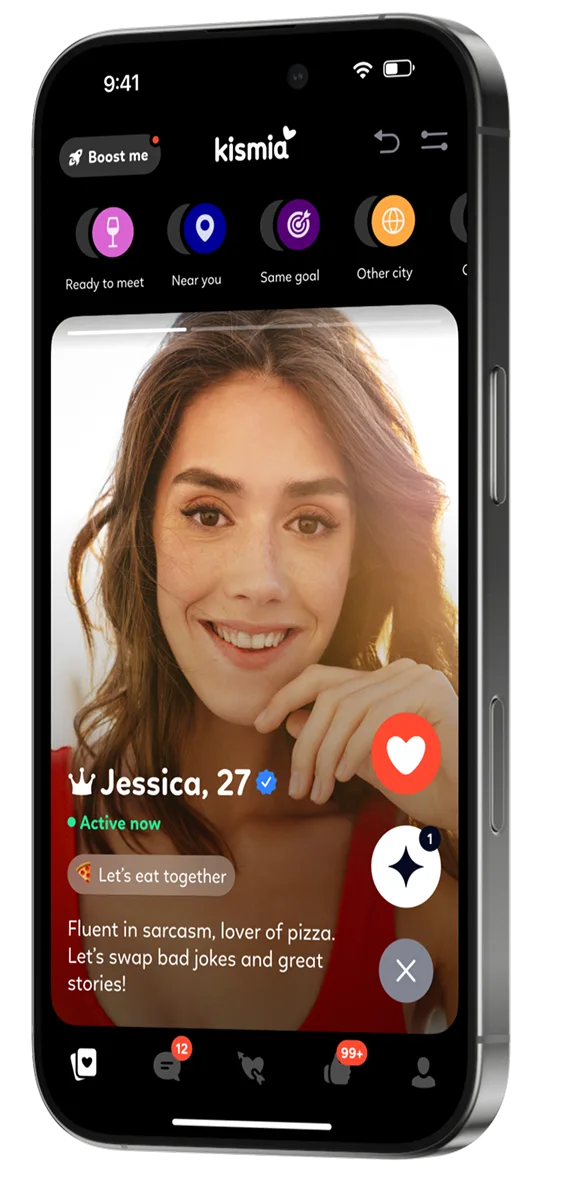
If you’re dating with real intentions - not just to kill time - Kismia is built for that.
This isn’t another old dating app with flashy filters and zero follow-through. Kismia matches people based on long-term goals, values, and relationship intent. It’s a space where “looking for something real” isn’t just a checkbox - it’s the vibe.
Verified profiles, clear filters, dual-platform flexibility and a respectful pace make it feel closer to an old dating site, but smarter and more focused.
So if you’ve ever wondered what is the best dating app for serious relationships, this one’s worth checking out. It’s not trying to be everything for everyone - it’s focused on helping people find something real.