



What Is PDA in a Relationship? Meaning & Everyday Examples

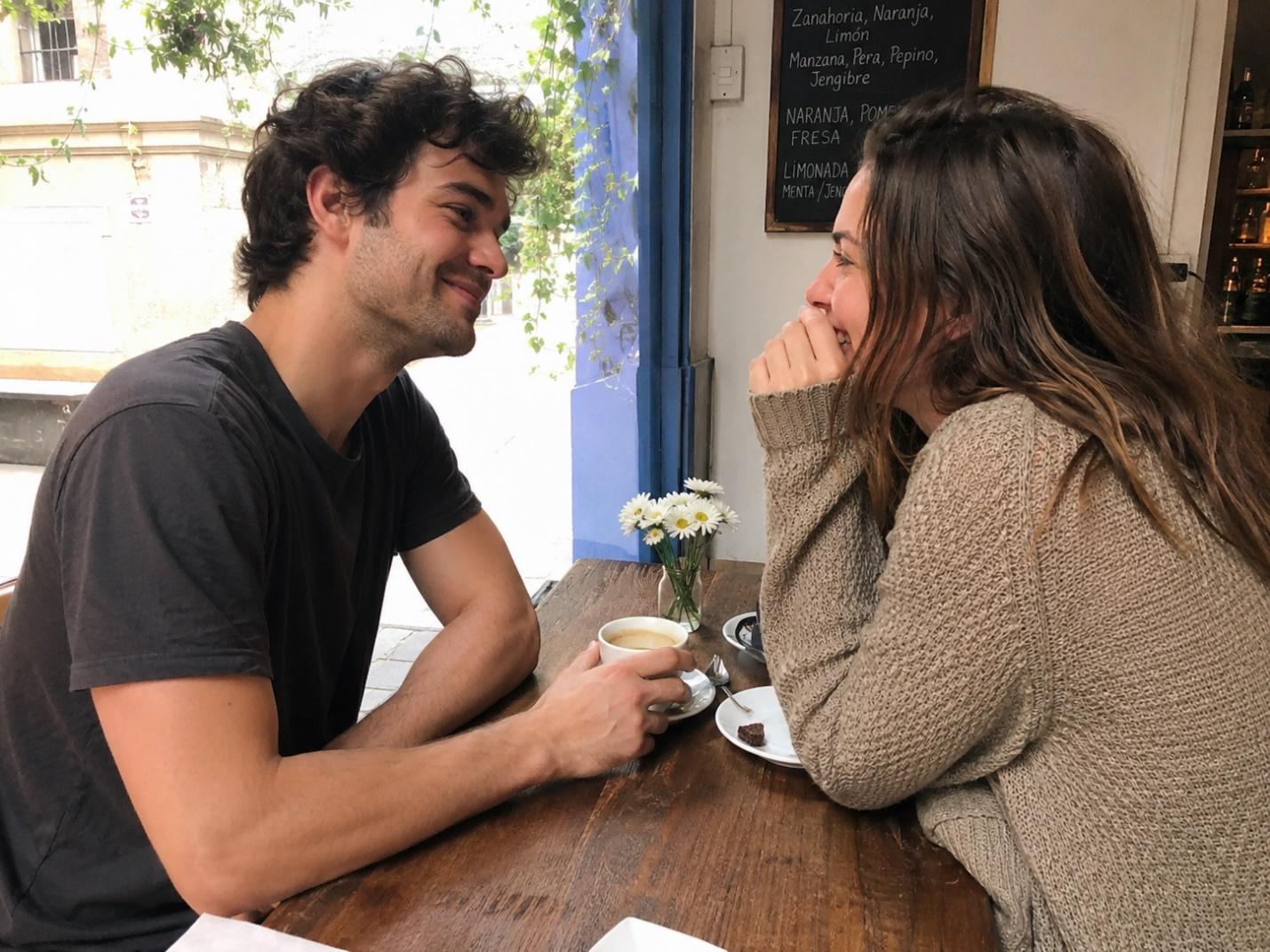
Holding hands across the dinner table. A kiss on the cheek before parting ways. Resting your head on someone’s shoulder during a long train ride.
PDA - Public Display of Affection is one of those things that can feel sweet and natural in the moment or complicated and uncomfortable, depending on the couple, the place, and the people around.
In this article, we’ll look at what PDA really means in a relationship, why some couples love it and others don’t, and how small gestures in public can reflect deeper emotional patterns behind the scenes.
What Does PDA Mean in a Relationship?
PDAs meaning usually comes down to simple, physical ways of showing connection in public, like holding hands, hugging, linking arms, or sharing a quick kiss. It’s the kind of affection that says “we’re together” without needing to explain it out loud. At its most basic, the PDA definition is about what others can see. But in practice, it’s also about what those gestures say. A quick hand squeeze might mean “I’ve got you.” A forehead kiss might say “I see you.”
The meaning of PDA depends not just on the act itself, but on the intention behind it.
What Is PDA in a Relationship? Quick Answer
The PDA meaning couple dynamic often goes beyond touch, it reflects how emotionally attuned two people feel.
A little public affection can be grounding: a way of staying connected in busy spaces. Whether you’re walking through a grocery store or sitting on a park bench, PDA meaning in a relationship often comes down to comfort, presence, and a sense of we’re in this together.
But it’s not the same for everyone. Some people enjoy open affection. Others feel exposed or uneasy. That’s why what PDA means in a relationship isn’t something you can define universally, it’s something you feel out together.
Being a PDA couple doesn’t mean you’re more in love than others. It just means you express it differently and that expression, ideally, works for both people.
What PDA Looks Like Day to Day
In real life, public displays of affection are usually simple, not dramatic. No fireworks, no grand gestures. These moments don’t have to be dramatic to mean something.
Here’s what affection in public often looks like:
-
Holding hands without thinking about it
-
A soft kiss on the cheek before parting ways
-
Sitting a little closer than you need to
-
Touching someone’s back lightly in passing
-
Catching each other’s eye and smiling
-
Saying "I'm proud of you" or "drive safe" in front of others. For couples in long-distance or high-stakes situations, these moments mean even more, which is why a military dating platform that understands that dynamic can make all the difference.
-
Sharing an inside joke or nickname that only you two understand
None of it is loud, but for many couples, it’s exactly these small, familiar things that help them feel in sync, even when life around them is moving fast.
Private vs. Public Affection
Here’s something that gets overlooked: not all affection should be public and that’s okay.
Some of the most meaningful intimacy in a relationship happens behind closed doors: inside jokes, quiet rituals, vulnerable moments that aren’t meant for an audience. And for many couples, private affection feels more real than anything on display.
That said, PDA in a relationship doesn’t replace private intimacy, it simply adds another layer to how you express closeness beyond your shared space.
What is a PDA couple? It’s not about putting on a show, it’s about staying emotionally in sync, whether you're at home or out in the world and never pushing beyond what feels real for you both.
If you're wondering what is PDA relationship dynamic that feels healthy? It’s one where both people feel seen, respected, and at ease, wherever they are.
If you are interested in a specific lifestyle, specialized platforms for rich men dating are also available.
PDA Meaning in Love and Slang
You’ve probably come across PDA slang online and not always in the nicest way.
So, what does PDA mean in slang? It depends on the tone and who's using it.
Someone might joke “get a room” or call a couple “too PDA” if they’re being affectionate in public. Sometimes it’s teasing. Sometimes it’s judgment.
So in terms of PDA meaning slang, it can shift from affectionate to ironic in seconds, depending on who's watching.
But, what does PDA mean in relationship? It tends to be softer. Posting a couple selfie, sharing a story with a heart emoji or making each other the lock screen on your phones. These are modern ways of saying – “I’m proud to be with you”.
Of course, not every couple is into that. And that’s the point: whether you show affection in person, online, or not at all, PDA meaning in love can feel less like performance and more like a shared language made up of glances, touches, and tiny gestures that only you two fully understand.
What Does PDA Mean for Couples?
What is a PDA couple, really? Some couples love touch. Others bond more through words, humor, or shared activities. That’s why PDA couple meaning varies so much. It’s personal.
Conversations around PDA in relationship settings can help set boundaries and avoid misunderstandings. You don’t need to agree on how much PDA is okay. But you do need to understand what it means to each of you. Real connection shows up in the quiet confidence between two people the kind that doesn’t need a spotlight to be felt. The same foundation of trust and mutual respect is what helps serious relationships grow over time.
Is PDA Good or Bad for a Relationship?
It depends not the most exciting answer, maybe, but an honest one.
PDA in a relationship can be sweet and grounding or awkward and too much. Sometimes both, depending on the day.
For some couples, small public displays of affection a gentle hand on the back, a soft kiss on the head are ways to stay close even in a noisy world. It doesn’t have to be dramatic. Just present. Reassuring.
But for others, PDA feels unnecessary or even performative. Not because there’s no love, just because they’d rather keep those moments private. That’s valid, too.
So is PDA good or bad for a relationship? It depends on intention and comfort. When affection feels natural and respectful, it builds trust and closeness. When it’s forced or done for attention, it creates distance instead. The key is finding a balance that keeps both partners at ease.
Benefits of Showing Affection Publicly
The right kind of public affection can do more than you’d think:
-
It helps you feel connected when you’re outside your usual bubble.
-
It signals “we’re on the same team.”
-
It brings comfort, especially during stressful or unfamiliar moments.
-
And sometimes, it’s just a little joy in the middle of an ordinary day.
For many couples, these moments happen without planning, like the body remembering what the heart already knows. That’s what PDA meaning in relationship really comes down to not the show, but the signal: a quiet way of saying ‘we’re okay, we’re together.’”
When PDA Becomes Too Much
There’s a difference between closeness and pressure.
If one person feels uncomfortable or like the affection is more about being seen than being shared, it raises a real question: what does PDA mean in a relationship when comfort isn’t mutual?
The answer isn’t always obvious. That’s why it helps to talk about it not in a “rules and limits” kind of way, but in a “what feels good for you?” kind of way.
PDA relationship meaning is about shared understanding. You can be affectionate and respectful. You can be visible and real.
The sweet spot? When neither of you feels like you have to prove anything. You just show up in a way that’s honest for both of you.
For those with specific preferences, dating Alaska is a solid choice.
Cultural Attitudes Toward PDA Around the World
Public affection isn't a universal language, at least, not one that's spoken the same everywhere. If you're someone who moves between cultures and contexts, it helps to meet singles who love travel and already understand those nuances.
In many Western countries, public displays of affection like hugging, kissing, or leaning into your partner are seen as totally normal. But in other parts of the world, they can feel deeply out of place or even inappropriate.
A cross-cultural study published by the NIH looked at how people in Indonesia, Nepal, and Poland experience PDA. It found that while couples in Poland felt relatively free to show affection in public, those in Indonesia were much more reserved, often holding back even basic gestures like hand-holding due to cultural expectations.
And yet, those small gestures might matter more than we think. As Phys.org reported in 2025, affectionate behavior including light public touch was linked to higher relationship satisfaction across cultures. The key? How comfortable each partner felt being seen.
So when we ask what PDA means globally, the answer depends on context. Sometimes it's a way to say “I love you” out loud. There are moments when not reaching out not holding hands, not leaning in is the most thoughtful choice. Sometimes, affection means giving each other space. As times and technologies change, so do the ways we express affection. The same gestures that once raised eyebrows in some places now appear daily on social media reshaping how couples connect in public and online.
Modern Relationships and PDA in 2025
In 2025, public displays of affection aren’t limited to the physical. They're digital, too and often shared far beyond just the two people involved.
Couples today might express closeness through a quick video on TikTok, a photo in their Instagram story, or a shared playlist. But while some of it is meant for others to see, that doesn’t make it less genuine. A 2025 study from the American Journal of Qualitative Research found that many couples use online posts as a way to stay emotionally connected not for show, but to feel more together.
At the same time, more people are stepping back and asking honest questions about how they express love. What do we share? And more importantly, why do we share it?
There’s a noticeable shift toward being intentional showing affection when it feels real, not when it looks good. A cute post is great, but it doesn’t replace emotional presence. In modern dating, the healthiest PDA relationships are the ones where affection digital or physical feels mutual and mindful, rooted in consent and comfort rather than routine.
This more intentional approach is especially important for single parents looking for relationships, who often value emotional stability and clear communication from the very beginning.
Platforms dedicated to Fresno dating site offer great alternatives for niche dating.
So if you’re wondering what PDA in a relationship looks like in 2025, the answer isn’t “more” it’s more intentional.
Why Many People Prefer Authentic Connections Over PDA
Some people simply don’t show affection in public, not because something’s missing, but because it’s just not how they connect.
For some couples, closeness doesn’t come through hand-holding or kisses in front of others. It shows up in quieter ways: checking in after a long day, remembering how someone takes their coffee, or just sitting together in comfortable silence.
These are the kinds of things that don’t make it to social media, but still mean everything.
Plenty of people feel more connected when affection stays private. They don’t need an audience to feel secure. For them, love isn’t about being seen, it’s about being understood; it lives in the quiet confidence of two people who know what they mean to each other.
That’s why PDA in a relationship isn’t always a priority. And honestly, it doesn’t have to be. What matters is that both people feel seen and respected in the way that works for them whether that’s in public, in private, or somewhere in between.
Why Many Singles Choose Kismia for Genuine Relationships
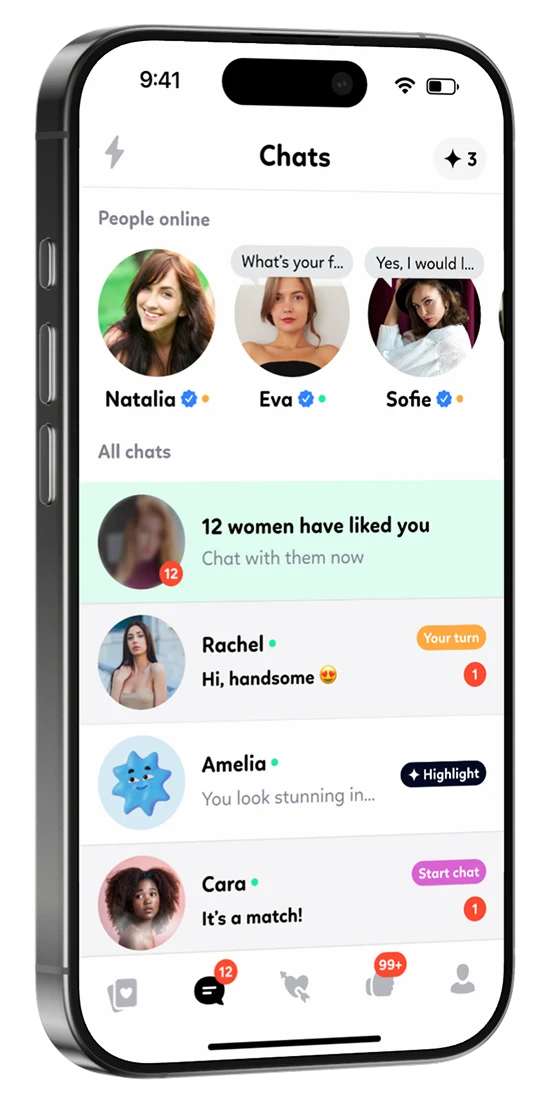
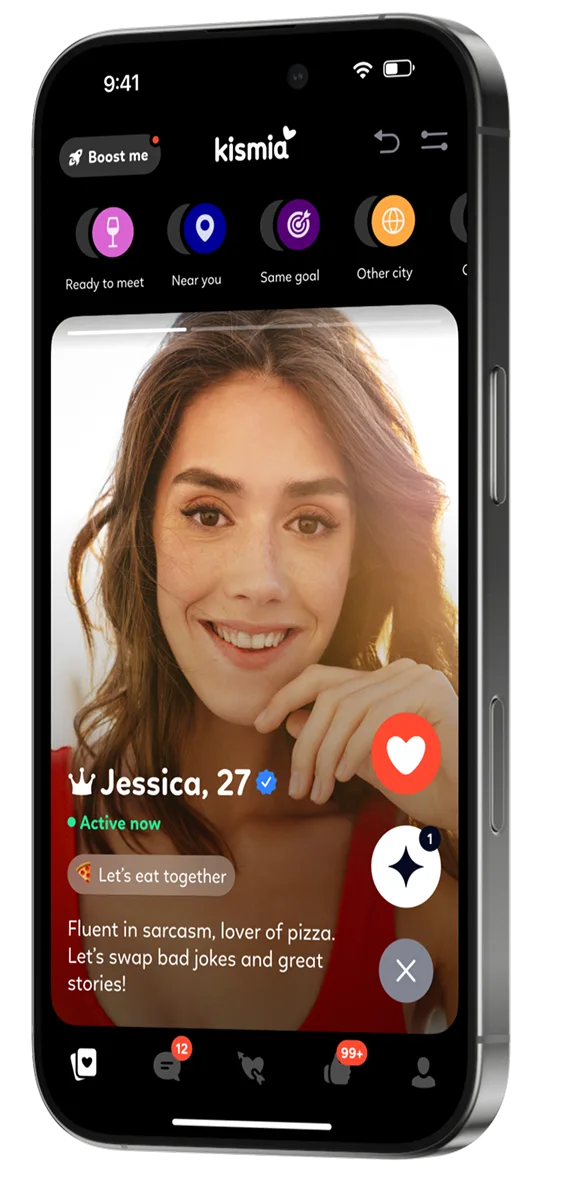
Some dating platforms focus on swipes, stats, or aesthetics. Kismia leans in a different direction: toward clarity, intention, and emotionally mature connection.
On Kismia people aren’t just looking for casual chats or short-term sparks. Many are open about what they want: a relationship that grows naturally, not from pressure, but from shared values and life goals. For many users, dating for marriage is a natural goal, making honesty and long-term compatibility more important than casual attraction.
The platform offers profile verification to help reduce fake accounts and bots. There’s also a balance between free and premium options, so you can get to know someone before committing to anything more. And based on user reviews, the support team is responsive a rare (and welcome) thing in online dating.
What really makes Kismia stand out is its community: people who are tired of shallow games and ready for something honest. Whether you hold hands in public or keep your love behind closed doors, what matters is authenticity. And if you’re looking for that kind of real connection, Kismia is built for it